

.png&w=3840&q=75)

The flooring in a home is more than just what is under our feet. It is witness to midnight waltzes by the glow of a fridge light, it is where first steps are celebrated, and it is the foundation of the impromptu floor picnic during a candlelit home-movie night. The floor of a home is where life happens.
Categorising wood flooring types is more than a matter of criteria; it is understanding the tale of the wood. It means knowing how timbers like oak, ash, maple, pine and walnut shape the heart of a room, how the way a floor is laid becomes part of its history, and how the boards beneath our feet were crafted.
Reclaimed wood flooring, made from timber already in circulation, provides a connection to the places and people that these materials once belonged to and offers a sustainable approach to embracing the heritage of wooden floors.
%2520(3).webp&w=3840&q=75)
Our Solid Reclaimed Pine Flooring

Our Engineered New Oak Flooring
So, what does ‘types of wood flooring’ mean?
Understanding the different types of wooden flooring means understanding how a floor embodies the essence of a room. The atmosphere of different wooden flooring types comes from the composition of the:
- Wood species
- Construction of the flooring
- Format of the planks
- Pattern of the laid planks
- Finish on the wood
Popular wood species for flooring
A wooden floor was once part of a forest. Different species carry the trees they once were in their texture, grain and character.
Oak flooring
Oak is cosy. Oak is a sunshine-soaked parlour room on an autumn afternoon, and oak’s inherent durability, versatility, distinctive grain and warmth have made it one of the most popular flooring choices.
The hard-wearing nature of oak means it’s ideal for the rooms where life doesn’t wait, and its versatility bridges the gap between traditional and modern interiors.
Walnut flooring
Walnut is luxury epitomised. Its deep tones are reminiscent of rich coffee grains and silky pinot noir, and its ability to age gracefully into a rich patina adds to its popularity in bedrooms, lounges and high-end installations.
Ash flooring
Ash is bright and lively. Its lighter colour and prominent grain bring a natural brightness and a freshness valued in contemporary interiors. That pronounced grain is also good at hiding wear, while the timber’s natural flexibility helps with shock absorption, making ash a popular choice for the family home.
Maple flooring
Ash’s rival as another light-coloured timber, maple’s less prominent grain brings a clean, contemporary look, making it ideal for rooms that embrace minimalism. Many maple varieties score highly on the hardness scale, so its resistance to dents is of particular value in the busiest rooms of a home.
Pine flooring
Pine is one of the softer woods, but that softness imprints a unique character as the wood ages. With honey and golden brown hues and a visible grain, pine adds a gentle, lived-in and rustic feel to a room.
Hardwood and softwood: what the classification actually means
Hardwood and softwood are botanical classifications rather than construction ones, and despite the names they say very little about strength or quality. Hardwoods come from broadleaved trees, typically deciduous ones that lose their leaves in autumn; softwoods come from coniferous evergreens.
Oak, ash, maple and walnut are all hardwoods. Pine is a softwood, and while it can be more susceptible to dents, it brings a rustic appeal that denser timbers often don’t hold. Because the classification is botanical, it is a timber’s measured hardness — recorded on the Janka scale — rather than its label that indicates how a floor will wear.
.webp&w=3840&q=75)
Our Reclaimed Wood
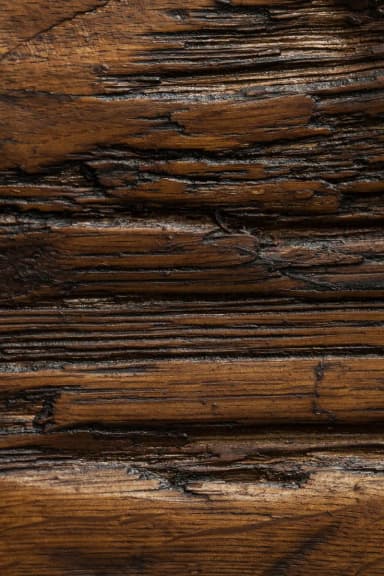
Our Reclaimed Wood
Types of wood flooring at a glance

Our Reclaimed Oak
Popular wood flooring styles, formats and patterns
The timber species is part of the soul of a floor, but how the boards are laid builds just as much of its character.
Plank flooring
Plank flooring exudes heritage. The classic staple that has graced homes for centuries, it is among the most traditional wood flooring styles, and one of the most versatile. Wide boards laid in parallel rows epitomise a spacious, luxurious feel, while narrower boards are the true example of timeless appeal.

Parquet flooring
Parquet flooring is more than mere construction; it is wooden floor artistry. The term covers any decorative wood flooring arranged into geometric patterns. Basket weave mimics the craftsmanship of a woven basket, while Versailles’ repeating, ornate pattern of interwoven diagonal planks invokes the feeling of French nobility.

Herringbone flooring
The ever-popular repeating zig-zag pattern of herringbone has graced the floors of English manors and the chateaux of the French countryside. Its staggered rectangular boards add movement and instant visual interest in a way that still remains unpretentious and grounded, making it a particular favourite in period properties.
%20(1)-400x300.png)
Chevron flooring
A close relative of herringbone, chevron is unique in that its boards are cut at an angle so that their ends meet to create a continuous V-shaped pattern. This geometric symmetry gives a room a statement that demands to be noticed.
-400x300.png)
Types of wooden flooring: solid wood or engineered?
Wooden floors hold the whisper of a hand plane and the soul of master woodworkers. Solid wood boards and engineered wooden boards are the main types of wooden flooring construction, and each tells a different tale.
Solid wood flooring
Solid wood flooring brings the unaltered feel of the tree that once was into your home. Boards are crafted from a single piece of timber and, depending on the thickness and type of wood, can be sanded and refinished several times during their lifetime.
Solid wood boards respond to the changing whims of the seasons. Temperature and humidity cause expansion and contraction, so environmental factors need to be considered when choosing this type of wooden flooring.
Engineered wood flooring
Engineered wood takes a more constructed approach than its solid wood counterpart. It is composed of a real hardwood top layer, known as the wear layer, bonded over layers of wood or wood-based material. This construction keeps the look of traditional hardwood flooring but gives dimensional stability and less susceptibility to changing environmental conditions.
The wear layer, core construction and installation all shape how well an engineered floor performs, particularly alongside underfloor heating.

Our New Engineered Oak
Solid vs engineered wood flooring: at a glance
.jpg&w=3840&q=75)
Our New Solid Oak (Castle)
Reclaimed wood: a floor with a past life
Reclaimed wood holds an entire history. Nicks, weathering, knots, nail holes and subtle shifts in tone and patina give the timber a soul that cannot be replicated by something new.
Re:Claimed works with used timber because those tales deserve to be told. It is an undeniably sustainable choice, but the decision goes deeper: it is a choice to reclaim history, and a future along with it.
Choosing between the different types of wood flooring
Harder timber boards help busier, high-traffic areas last through life’s bumps and bruises. Parquet styles and timber with rich hues bring intimacy to the quiet sanctuary of living rooms and bedrooms. The vibrancy of ash and a simple plank style offer balance to smaller rooms, while wide planks and light timbers embody a clean finish for a minimalist interior.
Choosing the flooring in your home is about more than choosing what goes under your feet. It is choosing the stage for midnight waltzes in the fridge light, the history you want to reclaim and the future you want to create. Whether you prefer classic oak planks, a contemporary wide-board ash or a herringbone statement in walnut, the best type of wooden flooring is the one that welcomes you home.
.webp&w=3840&q=75)
Our Reclaimed Wood
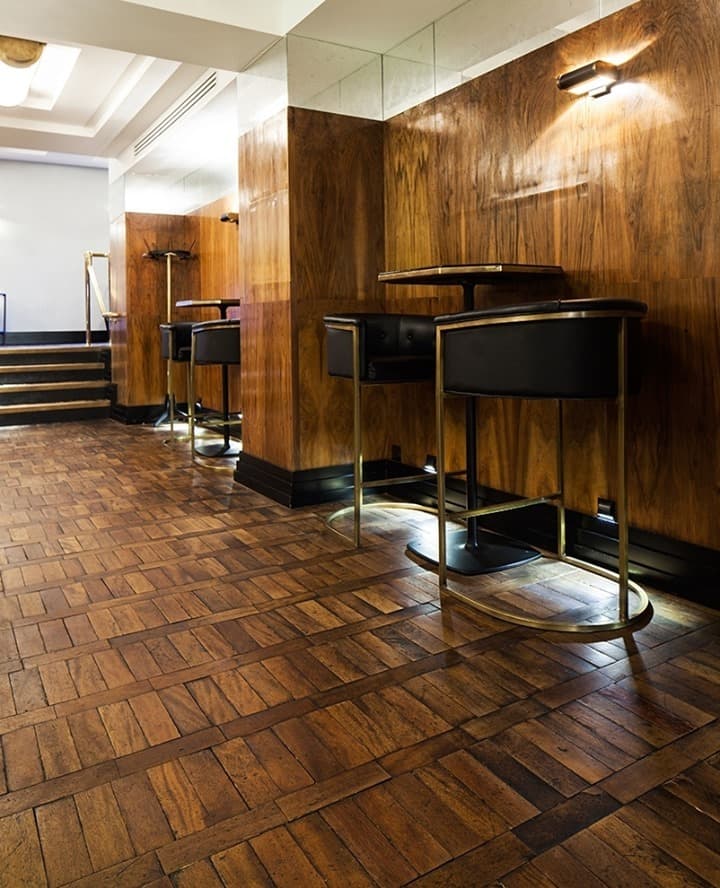
Our Reclaimed Wood
Frequently asked questions
What are the main types of wood flooring?
Oak, ash, pine, maple and walnut are the main timbers you will see in wood flooring types, while engineered and solid wood are the main construction variations.
Is solid or engineered wood flooring better?
Neither is inherently better. The complete timber construction of solid wood can often be refinished multiple times, while engineered wood is expertly crafted for greater dimensional stability.
What is the most popular type of wood flooring?
There are many popular types of wooden flooring, but the title of most popular goes to oak, bringing durability, versatility and tales of the forest written in its unique grain.
Which of the wood flooring types is easiest to maintain?
There isn’t one wooden flooring type that is easiest to maintain. Wooden floors carry the durability of the trees they once were, but they do take some love: a protective finish, oiling the wood, and gentle cleaning products will all help.
Is oak hardwood or softwood?
Oak is a hardwood. A classic wood flooring type, it is valued for its strength, durability and distinctive grain.
Is engineered wood flooring real wood?
Engineered wood flooring is absolutely real wood. The only difference is that it is made from layers of wood rather than one solid piece, with a timber wear layer adhered to a core of bonded wood.
Is engineered or solid wood better for underfloor heating?
Engineered wood is generally the better fit. While underfloor heating with solid wood isn’t impossible, the layered construction of engineered wood makes it more dimensionally stable, helping it cope with changes in temperature and humidity.
What is the difference between parquet, herringbone and chevron?
Parquet is the broad term for decorative wood flooring arranged in artistic geometric patterns, and both herringbone and chevron are types of parquet. Herringbone’s rectangular boards are laid in a staggered zigzag, while chevron’s angled boards meet to create a continuous V-shaped pattern with a seamless symmetry.


