
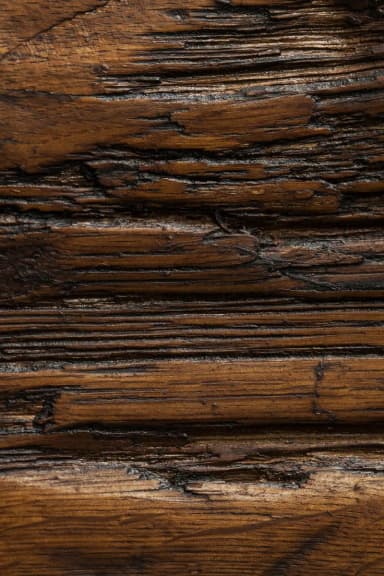




Oiling by hand
An oiled finish has become one of the most popular choices for wood floors, and it is easy to see why. Oil brings out the real character of the wood, warm and natural, with none of the plastic shine of a lacquer.
It is hard-wearing too, and when it is looked after it stays beautiful for decades. Oil suits reclaimed and new floors alike, solid or engineered, wherever they are laid.
The short answer
- How often? We suggest a hard-wax maintenance oil every 6 to 10 months; more often in busy rooms, less in quiet ones.
- The signs it is due: the floor looks dull or dry, the walkways look paler than the rest, or water no longer beads on the surface.
- Refresh or restore? A tired but sound floor only needs cleaning and a fresh coat. Sand back to bare wood only when the finish has worn through.
- How many coats? Usually two on bare wood, thin and even, worked into the grain.
- Safety: oil-soaked cloths can catch fire on their own. Dry them flat outdoors, or soak them in water before you throw them away.
How often should you oil a wood floor?
How often depends on how the floor is used and how well it is cleaned. Dust and grit are the enemy of an oiled floor: underfoot they act like sandpaper, wearing the oil away and leaving the wood exposed. A floor that is kept free of grit holds its finish far longer.
For peace of mind, we suggest a hard-wax maintenance oil every 6 to 10 months. A busy hallway or kitchen may need it sooner; a guest bedroom can go much longer.
Signs your floor needs oiling
- The surface looks dull, dry or patchy.
- The walkways, by doors and in front of the sink, look paler than the rest of the room.
- The water test: put a few drops of water on a busy part of the floor. If they bead, the oil is still protecting the wood. If they darken the wood and soak in, wipe them up at once: the floor is due.

Our Antique Alpine French Oak, Regency Brown

Oiling our hand-made French oak
Looking after an oiled floor between coats
Vacuum regularly with a natural-bristle brush head or another that won't scratch, and go over the floor with a moist, never wet, mop. Wipe spills up promptly. That is most of the work: a clean oiled floor needs re-oiling far less often.
Refresh or full restoration?
A refresh is for a floor that is tired but sound. Clean it thoroughly, let it dry, and apply a thin coat of maintenance oil. No sanding is needed, although a light sand with fine paper helps the oil take on a floor that was oiled long ago.
A full restoration is for a floor whose finish has worn through, or one that has been varnished or lacquered: the old finish must be sanded back to bare wood before oil will take.
How to prepare the floor for a full restoration
- Clear the room. Lift out all furniture and soft furnishings; don't drag anything, or you'll add to the damage.
- Check the boards. Make sure no nails or staples stand proud of the floor.
- Sand. Work through the grits from coarse (40) to fine (up to 120), going over the whole floor at each grit, edges included. A professional sander gives the most even result.
- Clean. Vacuum up all the dust, especially between the boards, and let any airborne dust settle before you oil.
- Ventilate. Open the windows and keep the room well aired.

Sanding back before oiling
How to oil a wood floor
- Mix the oil well, so there are no lumps of pigment, then let it stand for a few minutes until the bubbles disappear.
- Plan your way out. Start in the corner furthest from the door and work towards it.
- Apply a thin, even coat with a microfibre roller or a good natural-bristle brush, working along the grain and feathering the edges so no marks show.
- Work in small sections until the whole floor is covered.
- Wipe off any excess with a soft cloth.
- Let it dry fully, then apply a second coat in the same way.
- Buff, if you like, with a floor buffer, to work the oil into the grain and bring up a soft sheen.
- Leave it to settle for at least 12 hours after the last coat, and follow the drying times on your oil.
A word on oily cloths
Cloths soaked in linseed oil, and some other oils, can heat up and catch fire on their own as they dry. Northamptonshire Fire and Rescue Service advises hanging them on a line outdoors to dry, never storing them inside a building, and either keeping them in an airtight, preferably metal, container, or soaking them in water and sealing them in a plastic bag before they go in the bin.

Oiled Wood Floor FAQs
How often should you oil a wood floor?
We suggest a hard-wax maintenance oil every 6 to 10 months, sooner in busy rooms and later in quiet ones.
Do you need to sand before re-oiling?
Not for a refresh: clean the floor and apply a thin coat. Sand back to bare wood only if the finish has worn through, or if the floor was varnished or lacquered.
How many coats of oil does a wood floor need?
Usually two thin coats on bare wood, each left to dry before the next. A maintenance refresh is usually a single thin coat.
How long before you can walk on a freshly oiled floor?
Leave it at least 12 hours after the last coat, and follow the drying times given by the oil's maker before moving furniture back.
Can you oil a lacquered or varnished floor?
Not directly. The lacquer or varnish has to be sanded back to bare wood first, so the oil can soak in.
Re:sources
- Northamptonshire Fire and Rescue Service, Warning to home improvers about oil cloth combustion risks, 2020.
- Re:claimed, How to Clean and Care for a Waxed Wood Floor: the other traditional finish.
- Re:claimed Journal, How to Clean Parquet Floors: cleaning by finish.


