

Reclaimed furniture is furniture made from materials that have already lived one life: wood salvaged from old buildings, metal pulled from industrial structures, timber lifted from floors and beams, worked by hand into new pieces.
The short answer
- Reclaimed furniture is made from salvaged materials, most often old wood, rather than newly felled timber.
- Each piece is unique. The marks, grain and patina of the material's first life cannot be repeated or faked.
- It is valued in luxury interiors because provenance, craftsmanship and restraint are exactly what quiet luxury prizes.
- It is sustainable by nature: the material already exists, so nothing new is felled or manufactured to make it.
Brands like Soho Home have folded vintage and one-of-a-kind pieces into their collections, and designers keep reaching for salvaged wood. What follows is the deeper story: why reclaimed furniture is gaining ground, and where it is headed.

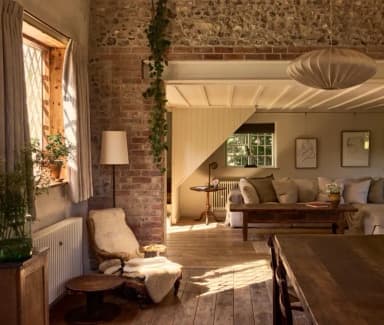
Our reclaimed wood with Charles Tashima Architecture, Wilkes Street
The story behind reclaimed furniture
At its core, reclaimed furniture is about breathing new life into old materials. Whether it is wood salvaged from deconstructed barns, metal from industrial buildings, or boards lifted from a floor laid a century ago, each piece carries a history.
Unlike new, factory-made furniture, reclaimed pieces tell a story, often rich with texture and imperfection. These marks of wear are not flaws. They are a record of the material's durability and its journey.
Reclaimed furniture lets designers and owners engage with the past in a tangible way. It transforms discarded materials into something useful and beautiful, with an authenticity that new materials cannot replicate.

For designers like Axel Vervoordt, this fits a philosophy of wabi-sabi, the Japanese idea that beauty lives in imperfection and impermanence. Reclaimed furniture is not just sustainable. It stands for movement, soul, character, provenance and craftsmanship.
These are not throw-away items. They are made without shortcuts, built for longevity rather than for a season. Where fast furniture prioritises cost-cutting and quick production, reclaimed pieces hold long-term value, for the owner and for the environment. This is slow design made solid.
Why reclaimed furniture is on the rise
Several forces drive the growing interest, and they go beyond aesthetics.
Sustainability is the most significant. As awareness of deforestation, landfill waste and carbon emissions grows, buyers weigh the impact of what they bring home. Reclaimed furniture answers simply: the material already exists, so demand for new resources falls and waste is kept out of landfill.
Craftsmanship is the second. Reclaimed material resists automation; old boards come in uneven widths and thicknesses, with nails to pull and surfaces to read. Working them demands skill and time, and ensures no two pieces are alike.

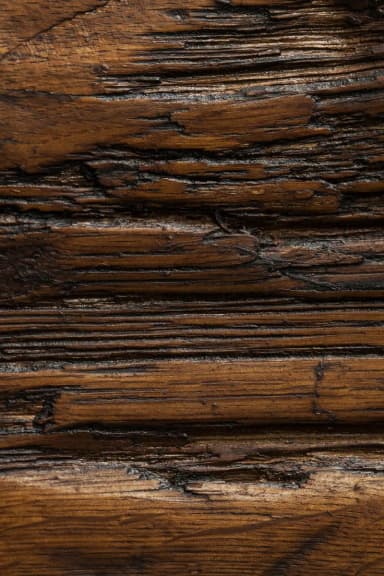
Our hand-made French oak

Each board is read and worked by hand
And there is the broader cultural shift towards minimalism and intentional living. In a world of excess, many prefer to own fewer, more meaningful things. Slow design and slow production value quality, thought and a deep connection to nature, which is precisely the ethos reclaimed furniture is built on.

The alignment with quiet luxury
A design philosophy has gathered momentum in recent years: quiet luxury. Unlike traditional luxury, with its opulence and bold gestures, quiet luxury is about subtlety and timelessness: pieces that do not demand attention but reveal their quality on closer inspection.
Reclaimed furniture aligns naturally with this idea. There is something inherently luxurious about owning a piece crafted from materials that have stood the test of time. The story in the material, the hands that transformed it, and the certainty that no other piece is identical add up to a luxury that runs deeper than surface.
For designers like Rose Uniacke, known for her understated, sophisticated interiors, reclaimed pieces add warmth and character without overwhelming a room. Natural patterns, grain and even the wood's movement are honoured and preserved: respect for the original material, the tree's soul, made visible in every joint and curve.
Bespoke joinery and reclaimed furniture
As reclaimed furniture gains ground, so does the demand for bespoke work. Bespoke joinery, woodwork designed and made for one specific space, lets a client have pieces tailored exactly to their room and their taste.
Paired with reclaimed materials, the result is furniture that is sustainable and fits its place precisely, in dimension and in character. An irregular grain or a scarred surface becomes the feature the piece is built to show.

For clients seeking quiet luxury, the combination of bespoke craftsmanship and reclaimed material is the fullest expression of it: quality, individuality, and furniture that will outlast the trend that brought it in.

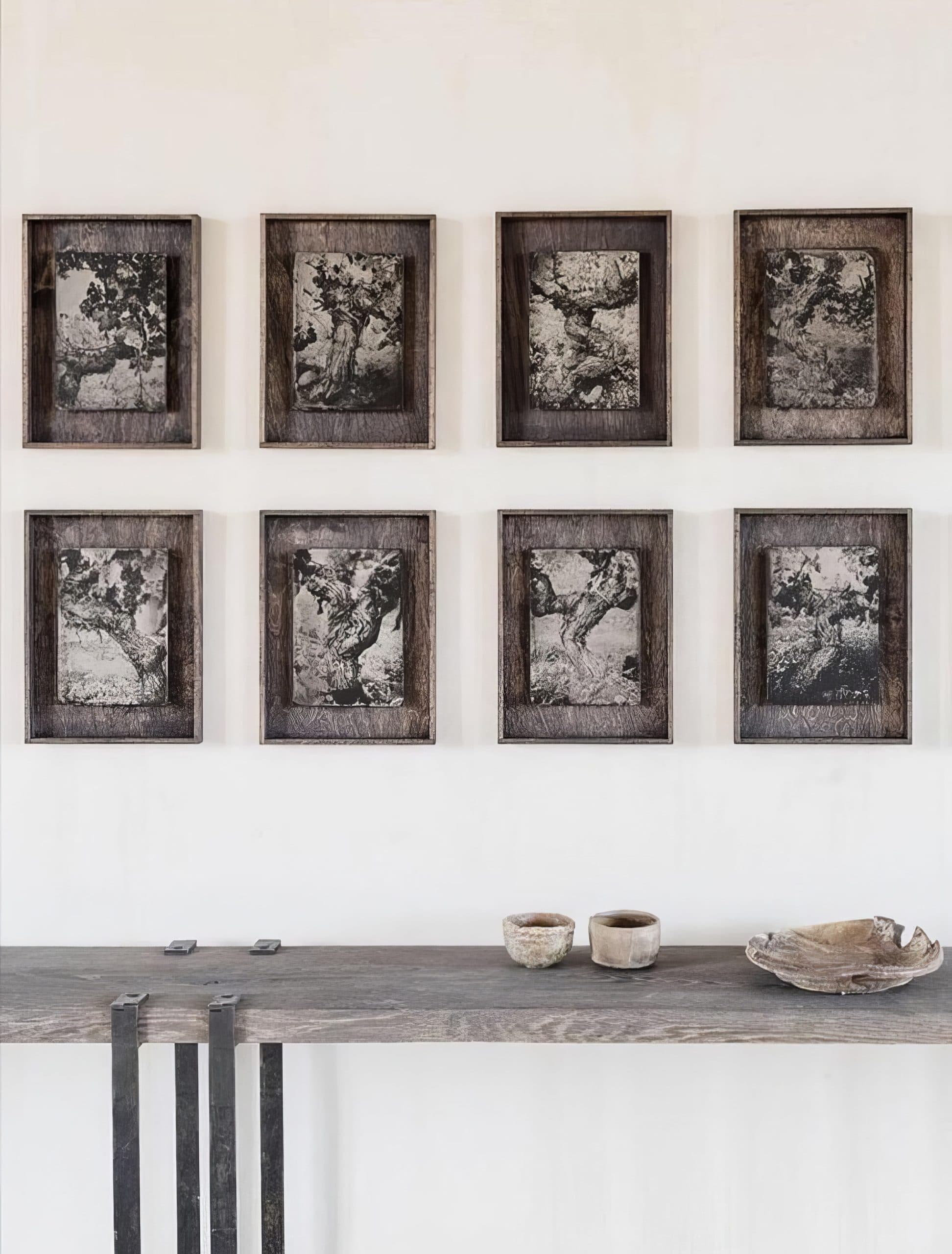
Reclaimed Mid-Century Pine, Church View

Antique European oak, 18th and 19th century
The future of reclaimed furniture
Reclaimed furniture will keep shaping how lasting spaces are made. As more brands and designers commit to sustainability, demand for furniture that is responsible and rich in character keeps growing.
Expect more innovation too. Designers keep finding new uses for material once written off as waste, strengthening the ideas behind the circular economy. The possibilities keep the field fresh even as the movement goes mainstream.
Reclaimed furniture FAQs
What is reclaimed furniture?
Furniture made from salvaged materials, most often wood recovered from old buildings, floors and beams, worked into new pieces rather than made from freshly felled timber.
What is the difference between reclaimed, vintage and antique furniture?
A vintage or antique piece is old furniture kept whole. A reclaimed piece is new furniture made from old material: the wood has the age, the piece itself is newly built, often to the buyer's specification.
Why is reclaimed furniture valued in luxury interiors?
Because it carries what luxury increasingly means: provenance, craftsmanship, singularity and restraint. Each piece is unrepeatable, and its material has a documented past.
Is reclaimed furniture sustainable?
Yes. It reuses material that already exists, so no new timber is felled for it and usable wood stays out of landfill. Longevity compounds the benefit: a piece built to last is not replaced.
Re:sources
- Soho Home, sohohome.com: vintage and one-of-a-kind pieces alongside new collections.
- Rose Uniacke, RU Editions: furniture in the understated tradition.
- Our journal: What is reclaimed wood?, The 6 principles of slow design and Axel Vervoordt and the beauty of imperfection.


