

 0
0.jpg&w=3840&q=75)
Design publications often treat the circular economy like a distant ideal — something just out of reach, waiting on policy shifts or corporate courage to make it real. And while some progress is underway (brands like IKEA are moving forward with resell programmes), the truth is: we don’t need to wait. We can start small.
What is a circular economy?
The European Commission defines a circular economy as a “model of production and consumption, which involves sharing, leasing, reusing, repairing, refurbishing and recycling existing materials and products as long as possible.”
In practice, what this implies is creating processes within an economy or organisation where products can be given many lives past their traditional “create-use-throw” destiny.

.webp&w=3840&q=75)
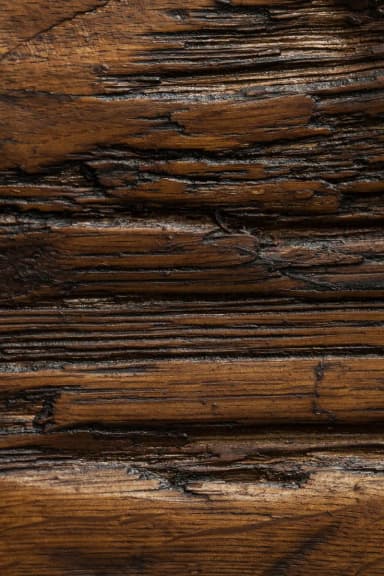
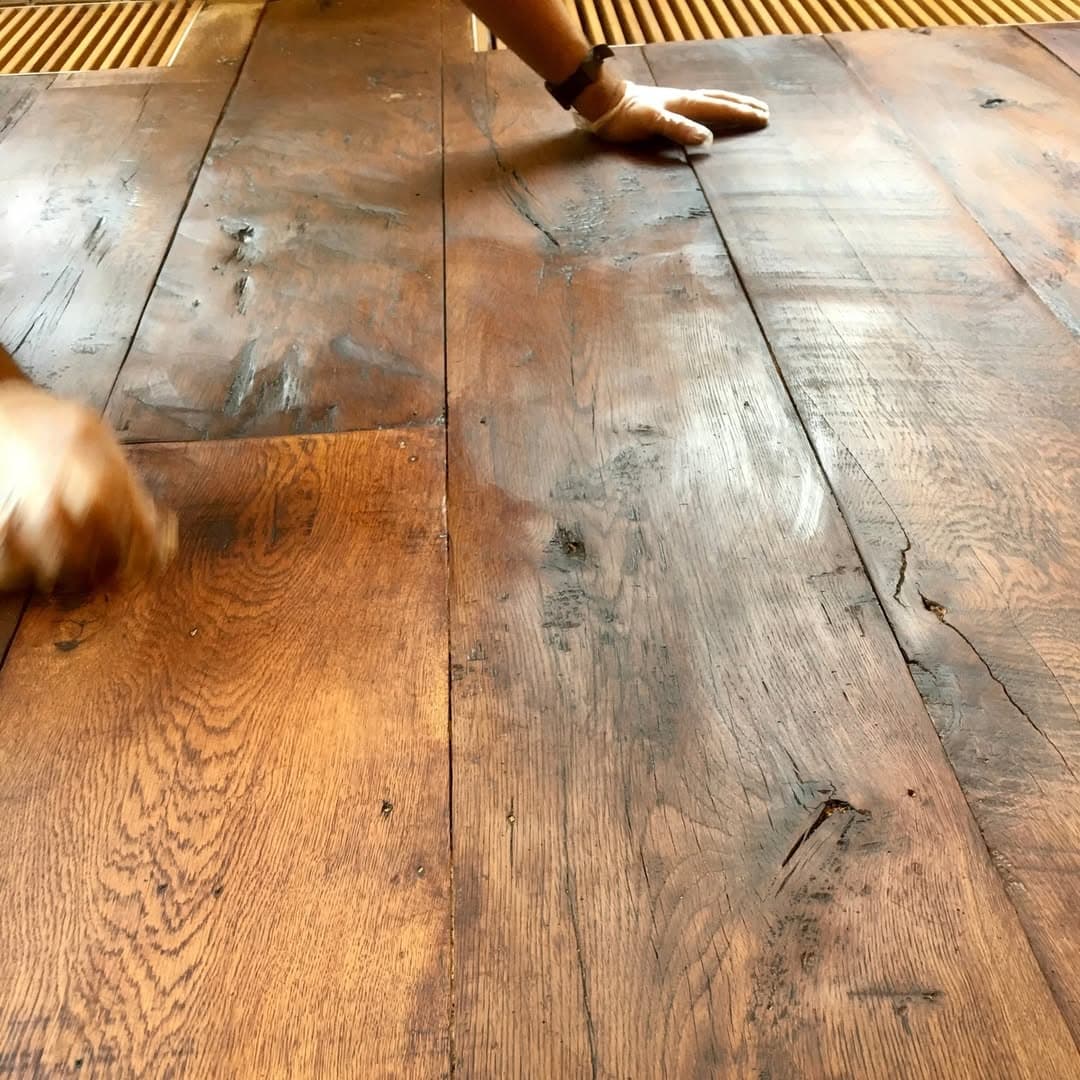
Our Reclaimed Wood
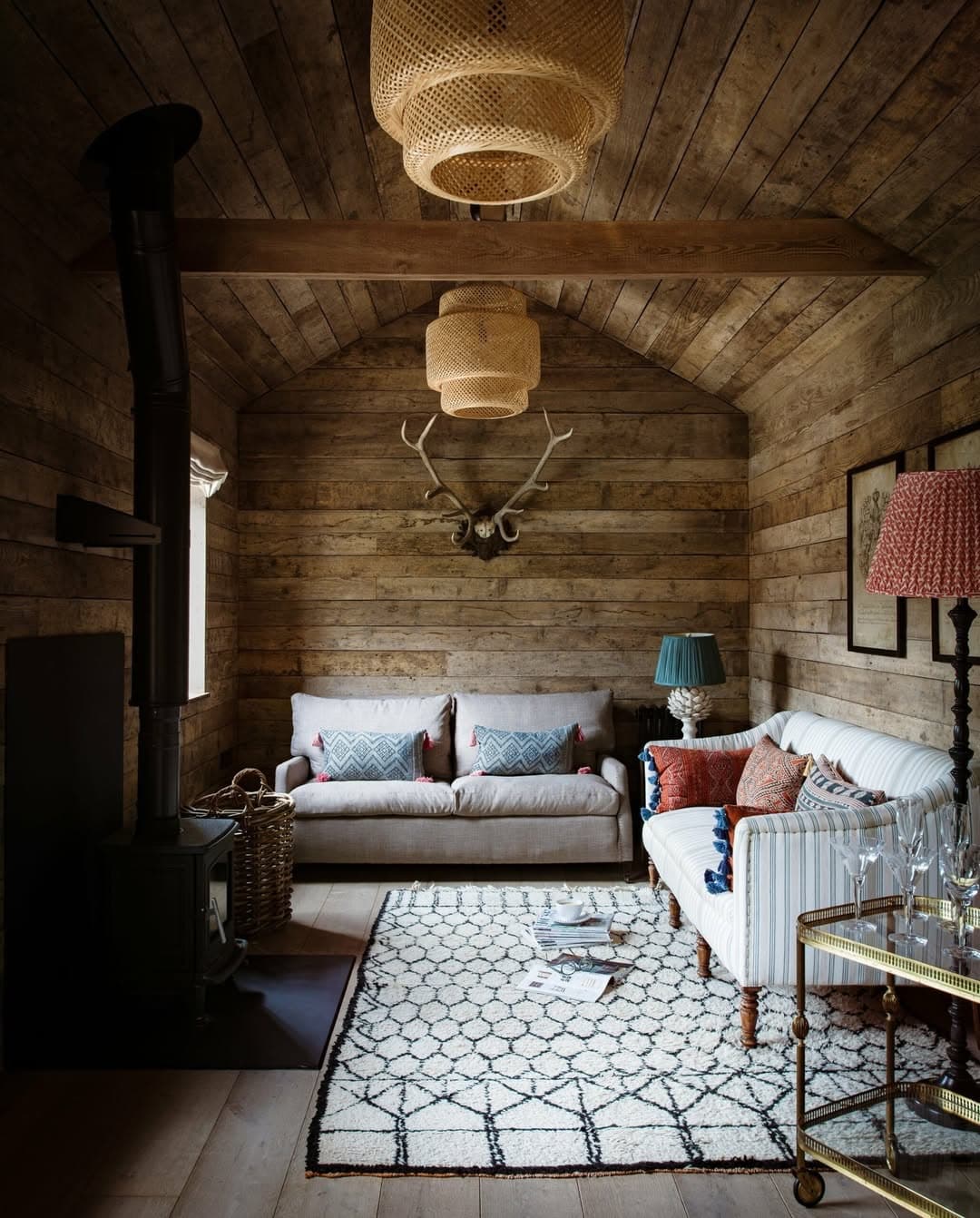
Our Reclaimed Wood
.jpg&w=3840&q=75)
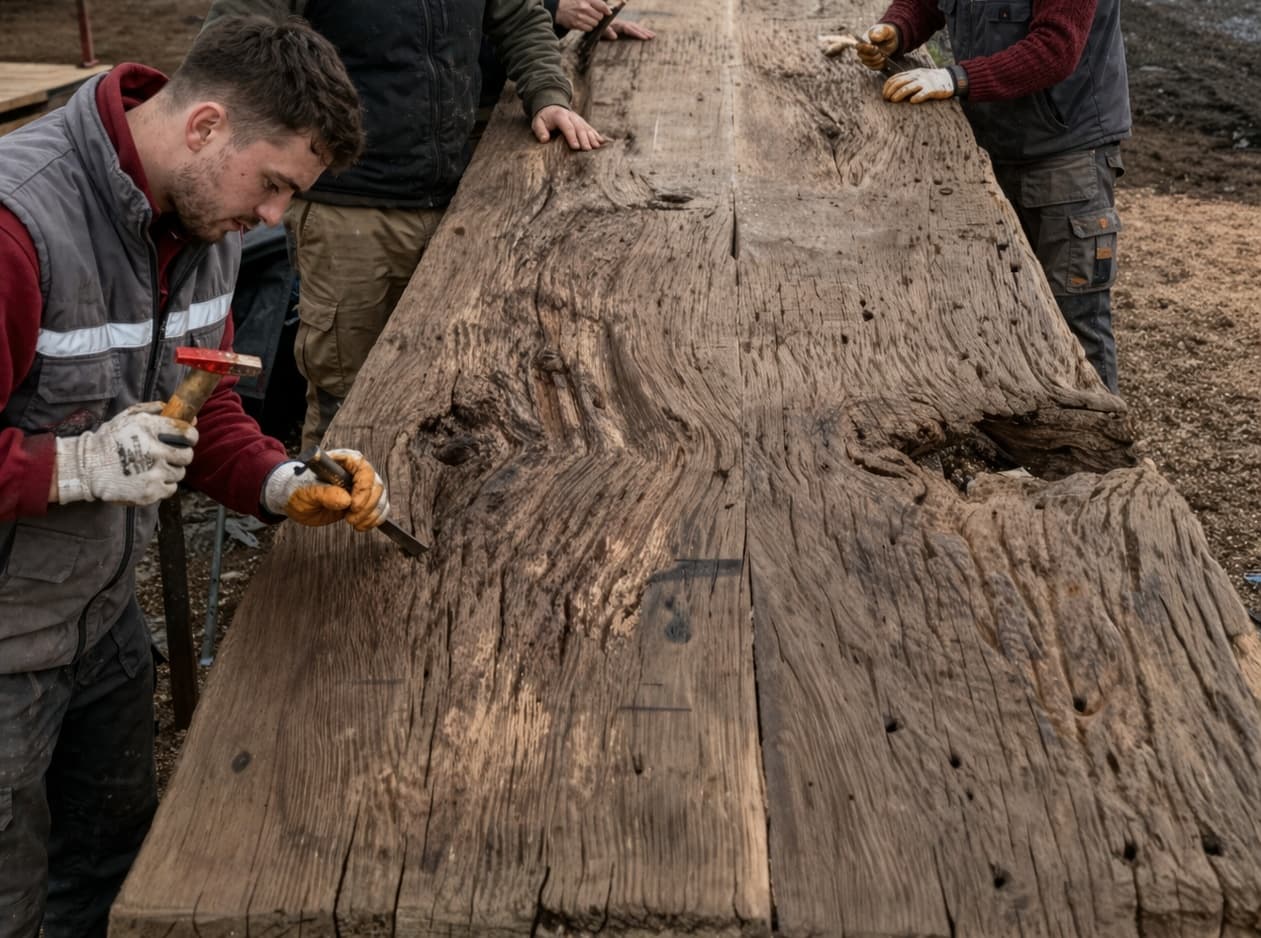
Craftsmanship will become a need, not a dying choice
In a world saturated with the mass-produced, true craftsmanship offers something rare: depth, precision, soul. What was once considered a nostalgic luxury can become a necessity in a circular economy.
Designers will depend less on raw materials, opening possibilities
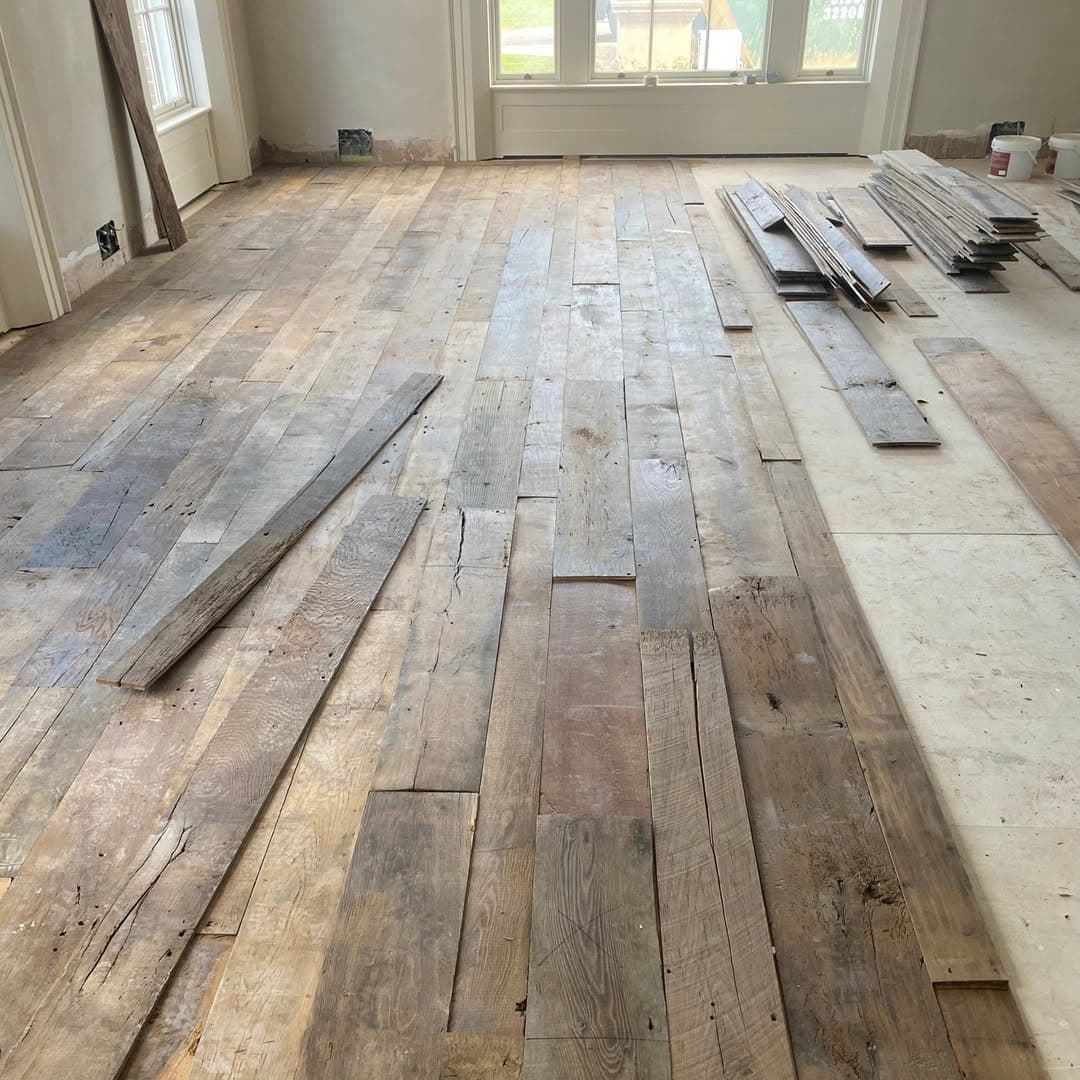
As we shift toward circular thinking, our reliance on virgin materials can begin to loosen. Because this isn’t a limitation; it’s a challenge. When we source from what already exists — reclaimed wood, salvaged stone, repurposed metal — we unlock new forms, new textures, and new stories. Constraints spark creativity, and within that creative tension lies innovation.
You’re convinced. Now, let’s get into action.
We speak in certainties, but we know: building your own circular economy can feel overwhelming. The intention is there — most designers want to design for the planet — but real-world barriers often stand in the way. According to the Design Council, 41% of designers cite limited budgets, 37% face time constraints, and 36% struggle with regulations. Then there’s the gap in skills. While 71% of designers expect rising demand for green design in the next three years, only 43% feel ready to meet it.
To move from conviction to completion, we need more than ideas — we need action. Here are a few grounded, tangible ways to start building your own circular economy.
De-centre the “new”
As designers, we’ve been taught to begin with a blank canvas, often turning to virgin materials to spark creativity. But the future of design isn’t about starting from scratch — it’s about starting with what already exists. As Sarah Housley wrote for Dezeen, “Design schools will need to teach mindsets that de-centre the new, and design media should be challenging itself to cover smart adaptations and well-designed systems with the same enthusiasm that it applies to covering a product launch.”
.webp&w=3840&q=75)
Our Reclaimed Wood
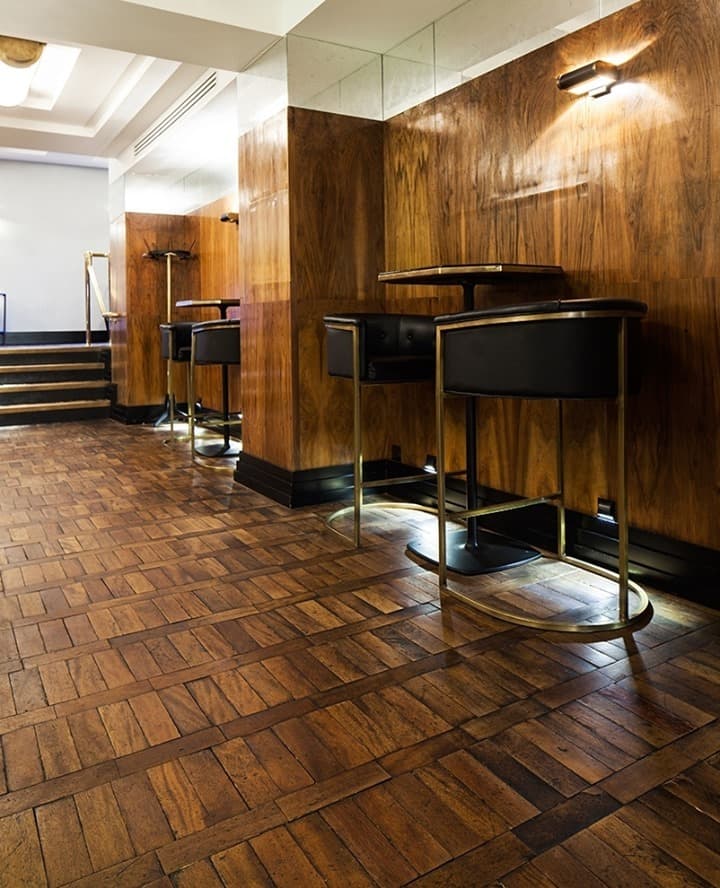
Our Reclaimed Wood
Re:sources
If you’d like to dive deeper into this topic, you can explore the following resources:
- The European Commission on the circular economy
- XFrame on the circular economy
- Dezeen on IKEA’s regenerative programmes
- Dezeen by Sarah Houxley on how design is good… But it might be a good thing.
- Design Council on the state of design and sustainability
- The Slow Design Principles by Carolyn F. Strauss , Alastair Fuad-Luke


