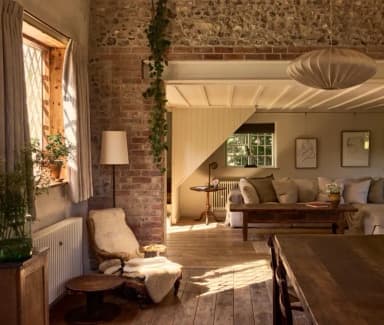



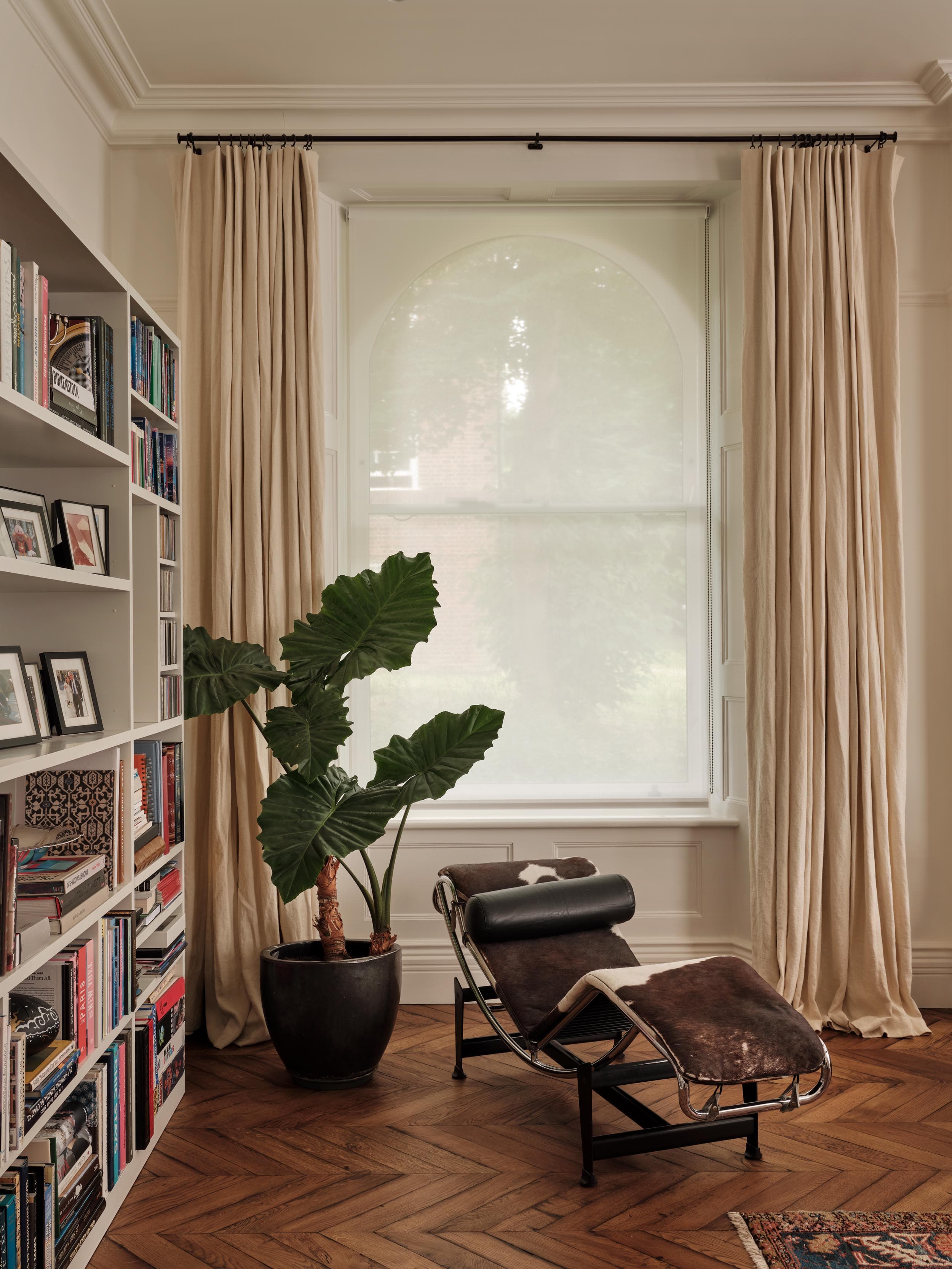
Spaces that speak softly
Pondering the nature of design, we might feel guided towards the gleaming visuals — the forms, the colours, the visual composition.
However, there’s more beyond the surface. How does the grain of wood feel against our fingertips? Can the scent of the wallpaper remind us of childhood afternoons? How does sound travel across tapestry-filled walls?
These sensory observations are not afterthoughts; they are integral to our understanding of a space, and they inform directly how we feel within it.
Great designers understand the power of the senses to create holistic spaces that nurture positive and cohesive emotional responses. This purposeful mode of design is called “sense-scaping”. Championed by Forbes or, sense-scaping is slowly gaining momentum across design circles in the United Kingdom and beyond.
In this Journal piece, we explore the quiet luxury of sense-scaping — tracing its roots, its role in shaping soulful spaces, and its place in design’s future.
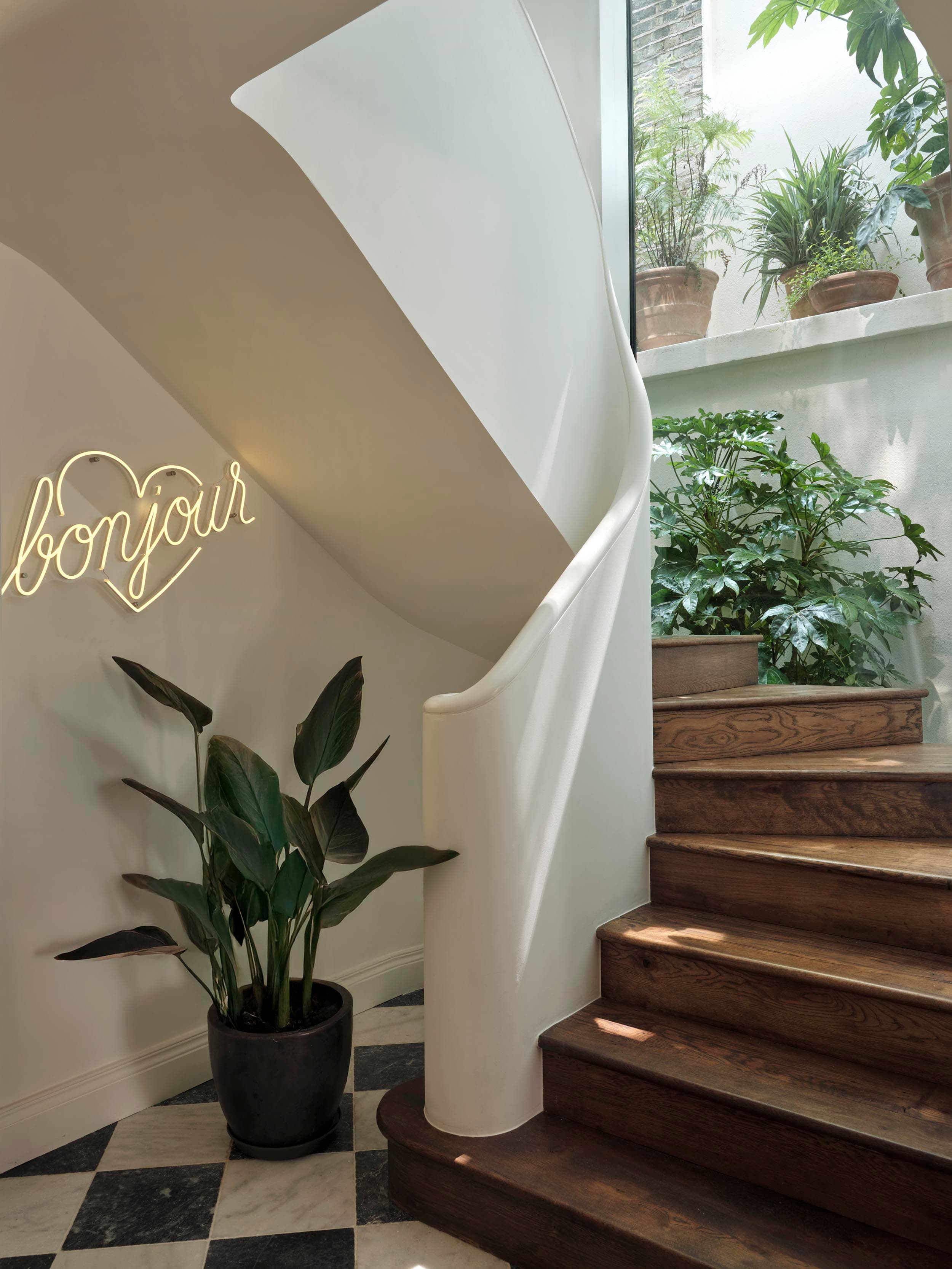
Highgate Home Case Study
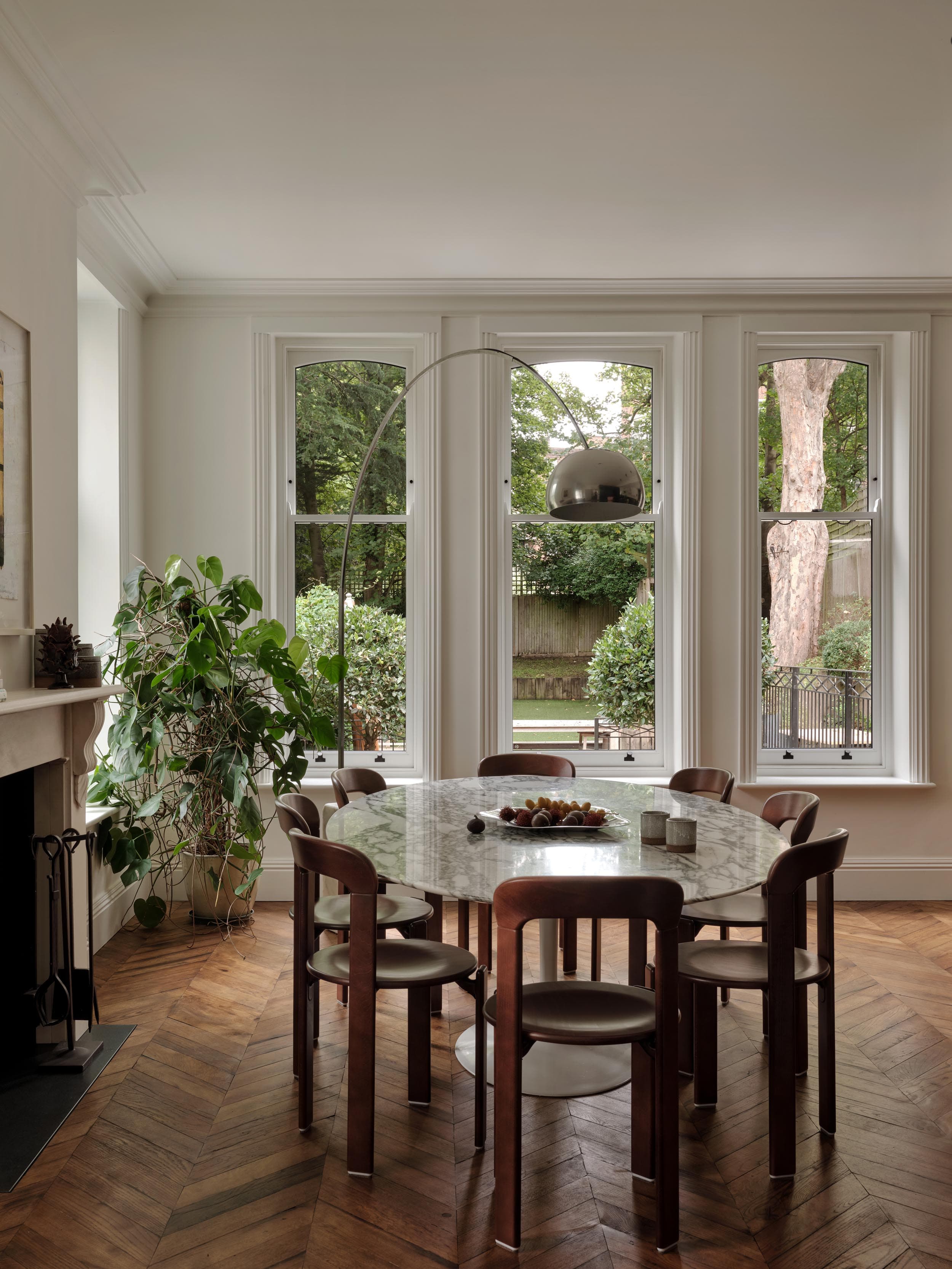
Highgate Home Case Study
What is sense-scaping?
Sense-scaping is the intentional design of a space that considers all the senses — not just the visual. By thinking beyond colour, shape and form, it invites designers to work with scent, sound, texture and even taste to create spaces that feel complete and deeply human.
This multi-sensory approach helps connect us to spaces on a more instinctive level. It draws on memory, emotion, and atmosphere — making places not just functional or beautiful, but meaningful.
Depending on the space and its purpose, sense-scaping can shape how we feel. A speakeasy, for instance, might use velvet walls, low lighting, smoky aromas and soft jazz to create a sense of intimacy. But those same elements in a bathroom would feel out of place. That’s the essence of sense-scaping — aligning the sensory details of a room with the emotional experience it’s designed to offer.
The origins of sense-scaping: sensory design and haptic architecture
Sense-scaping might sound like a shiny new movement, but its roots run deeper. The idea builds on an older, well-established practice: sensory design — a discipline that has long recognised the power of engaging all five senses to shape how we experience space.
“Sensory design activates touch, sound, smell, taste, and the wisdom of the body”, Designers and Curators Ellen Lupton and Andrea Lipps explore in their book ‘The Senses: Design Beyond Vision’.
“Sensory design rebels against the tyranny of the eye…The senses move us through space. The eye or ear is not a fixed camera or a microphone wired to a wall; our sense organs are connected to a head that turns, arms that reach, and bodies that wander and seek…
“Traditionally, designers focused on creating static artifacts — the monument, the vessel, the elegant monogram, or the essential logotype. Today, designers think about how people interact over time with a product or place.”
This holistic understanding of feeling and habitation guided the foundation of haptic architecture. According to Rethinking the Future, a platform that highlights and awards architectural excellence, “Haptic architecture is architecture involving the senses, how humans interact with the surroundings about touch, sight, smell, hearing, and taste… (It) is closely linked to designing spaces one has already witnessed, felt, heard, and smelt in the collective consciousness.”
Jungian philosophy proposes that all humans share a “collective consciousness”, where mythical imagery and associations translate across cultures and individual experiences. These unspoken, connective ideas help us understand the world on a psychic and spiritual plane.
On a design level, this means people will perceive certain design choices in the same way, irrespective of their past or culture. For instance, harsh edges feel powerful, austere and harsh, while curves can be evocative of fluidity, softness and sensuality. Smells of sweet, baked goods might inspire our hunger and curiosity, while still dampness can make us move in a different direction.
Using this universal
knowledge, Haptic architecture creates inclusive and immersive experiences that engage people’s senses, emotions, and memories, much like sense-scaping is understood to do today.

Photography by Adrien Olichon
Sense-scaping in commercial and hospitality spaces
Sense-scaping has been used in commercial and hospitality spaces for decades. Interiors + sources’ interview with four hospitality designers considers that sensory design is used to create cohesive experiences for guests, where the overarching “story” of the space and its connection to the land is explored in sub-plots across rooms and details. This cohesive, sensory storytelling allows guests to locate their lived experience within a purposefully designed narrative, inspiring wellness and a positive outlook on the space.
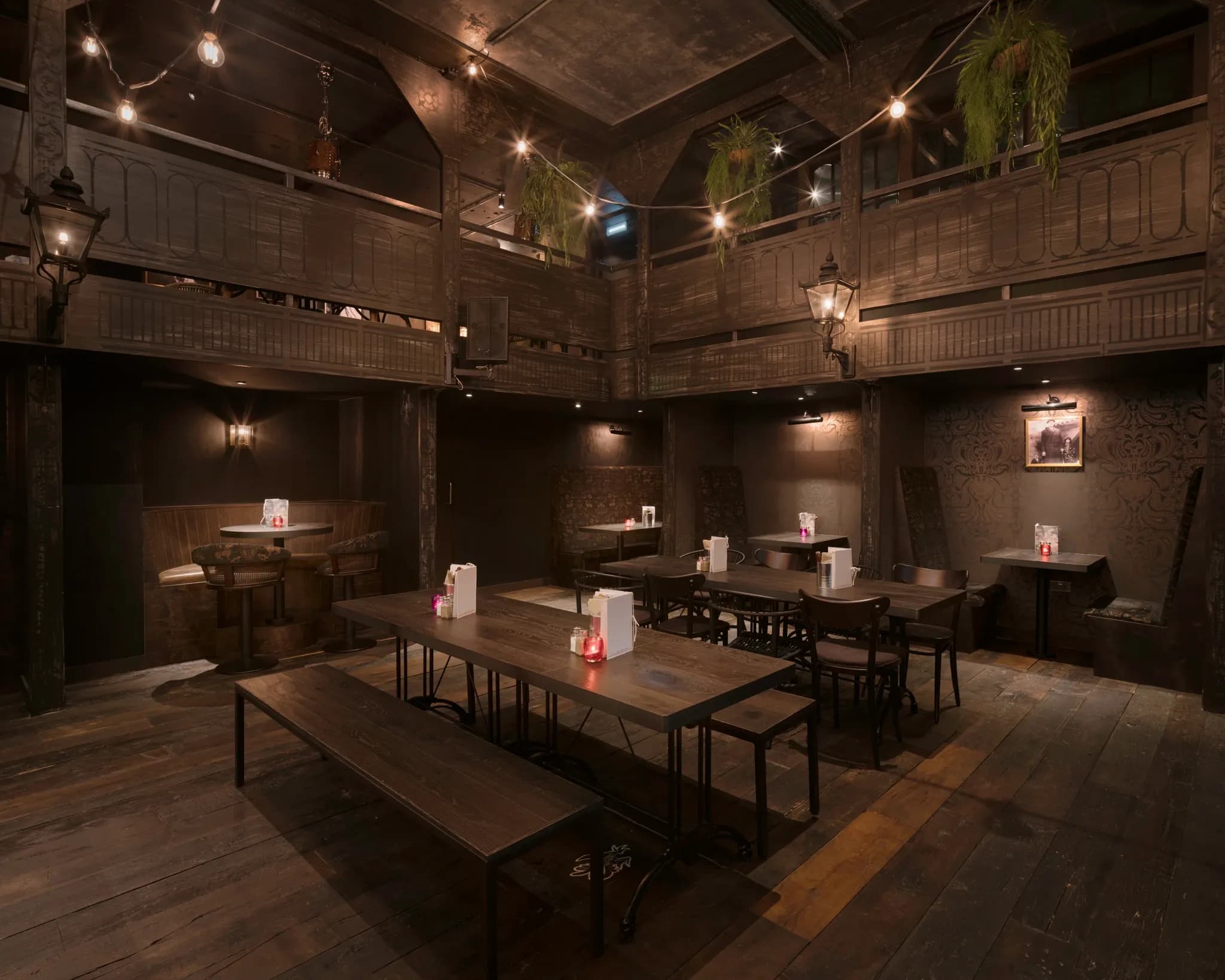
Absurd Bird Case Study
Turning the home into a sensory experience
While commercial designers have been trailblazers in sense-scaping, this craft is now being applied to residential design.
Every room in a home has different associated emotions — a home studio should inspire focus; a bathroom, calm; a dining room, connection. With this in mind, designers are considering how the interplay of our senses can help us find mental coherence between a space and its desired narrative.
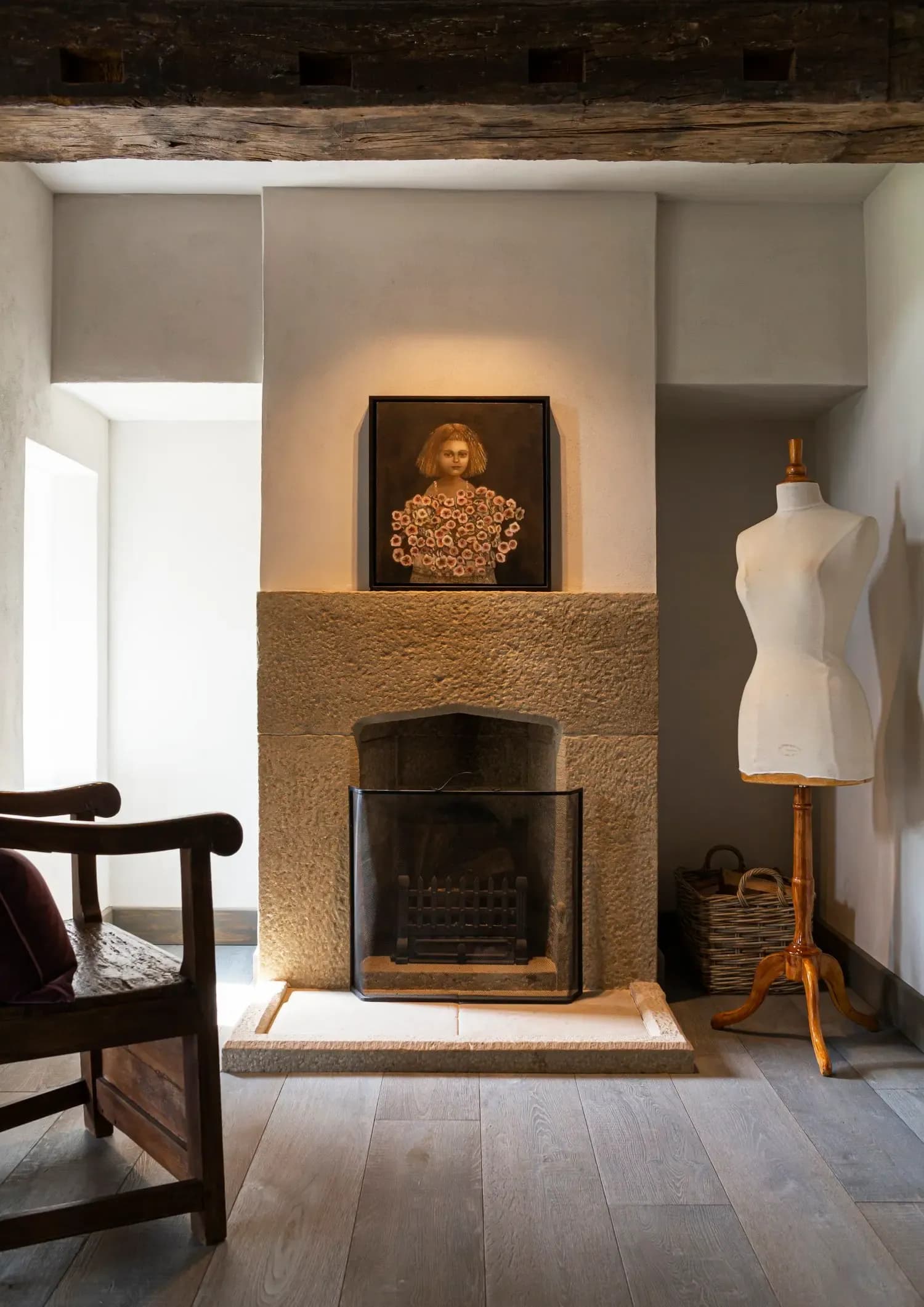
Manoir House in Cheshire Case Study
Designing for all our senses
While our adventure into sense-scaping has only just started, it’s worth considering the complexity of our mind before diving in.
Our senses do not work like individual instruments. Rather, they interact like an orchestra. While you look at a painting and admire the composition, you are seeing with your eyes… But you are also smelling the ageing patina of the frame. Noticing the tactile texture of the brushstrokes. Listening to the space around you breathe.
When we’re creating sense-scapes, we must see all the senses as tightly interconnected, moving in harmony if not in unison.
With that preamble set, it’s time to explore our mind-body connection.
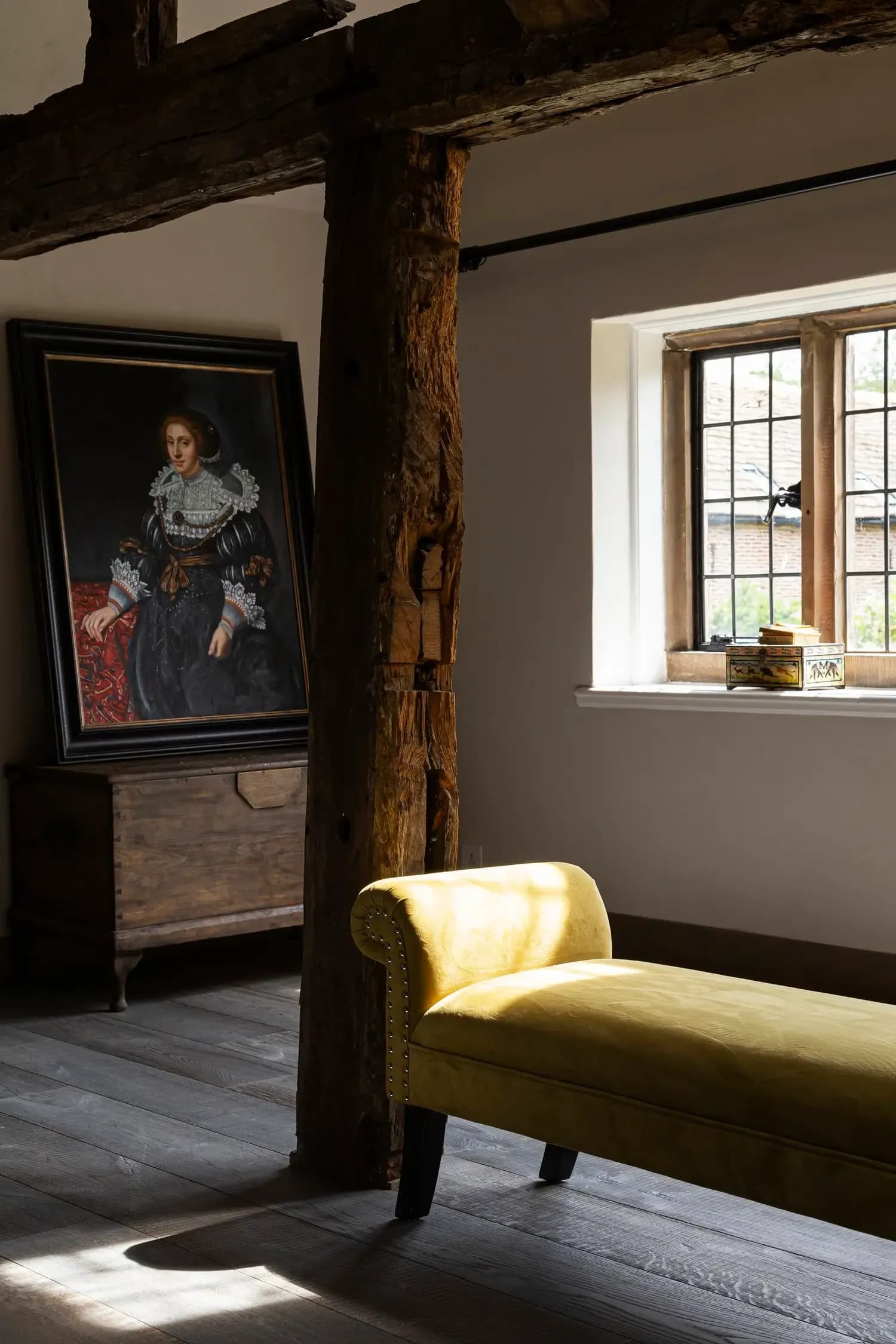
Manoir House in Cheshire Case Study
Sight: Creating visual landscapes
Just like art, visual design can make us feel.
Colour is one of the most powerful psychological tools to promote emotions. Adobe, the most used design tool worldwide, suggests “Colour influences how you feel… how you make decisions and how you interpret messages… Knowing the meaning of colours and their associations will help you to pick the best colours to tell your story.”
Psychologist Eva Heller explored this deeply: red can signal danger, strength, or desire. Purple often feels regal or mysterious. Blue tends to soothe. But meaning is never fixed — it shifts with culture and context. Where white may suggest purity in Europe, it can signify mourning in parts of Asia.
This is because colour doesn’t exist in isolation. Its tone, brightness, and relationship with other colours can all shift how it’s received. A muted green beside warm wood feels grounded. The same green beside chrome might feel cool or even clinical.
When the right colour feels out of reach, nature is a steady guide. Biophilic design reminds us that the earth offers endless palettes — from forest greens to stone greys and clay reds — that calm, connect, and endure.
.webp&w=3840&q=75)
Highbury Case Study
Sound: Shaping our auditory experiences
Sounds can transport us to faraway lands or stress us. A purposeful soundscape is a need for all designs, and it can go way beyond expected insulation techniques.
Acoufelt, acoustic design experts, argues that designers have four non-mutually exclusive options to design an auditory experience.
- Eliminating sound is about creating complete separation — enclosing a space so thoroughly that outside noise cannot get in, and inside conversations stay contained. It’s a precise process that begins at the planning stage, using specialised materials and techniques. Because it’s permanent and resource-intensive, elimination is best reserved for spaces where focus and privacy are essential: theatres, meeting rooms, hotels, libraries, and homes in the heart of the city.
- Suppressing sound is about intention — quiet exactly where it’s needed most. By using porous, absorptive materials across surfaces, we reduce echo and prevent sound from travelling. Walls, ceilings, floors, tapestries and even furniture can become tools for quiet when thoughtfully chosen and placed.
- Masking sound is a gentler intervention. Instead of removing noise, it introduces a neutral backdrop — white noise, music, water — to help the mind tune out distractions and stay present.
- Diffusing sound offers balance. Rather than absorbing or blocking, it scatters sound waves to reduce echo and improve clarity. It’s a valuable strategy in rooms where understanding matters, and the acoustics must feel natural and clear.
.webp&w=3840&q=75)
Grayham Road Case Study
Touch: Nurturing our tactile curiosity
Touch is one of our most universal senses, with people across all abilities being able to feel surfaces, temperatures and moisture levels.
FM Design Elements proposes that there are two key types of texture when we talk about imbuing spaces with a sense of dimension.
Tactile texture is what we feel with our hands and feet — the roughness of a wall, the softness of a rug, the natural grain of reclaimed wood. These surfaces influence how comfortable and inviting a space feels.
Visual texture, on the other hand, is what we perceive with our eyes. It might be a patterned wallpaper, a brushed metal finish, or the layered look of aged materials. Even when we can’t touch it, it adds interest and character.
Used well, texture brings depth and balance. It can create contrast — pairing smooth with rough, matte with gloss — or soften a room that feels too stark. It invites us to look closer, to slow down, to notice the details.
.webp&w=3840&q=75)
Wilkes Street Case Study
Scent: Stimulating memory and connection
Often overlooked, the sense of smell is now taking centre stage in interior design. More than just a finishing touch, scent has become a powerful tool for shaping atmosphere, anchoring memory, and evoking emotion.
Linked directly to the brain’s limbic system — the seat of memory and emotion — scent can influence how we feel, focus, and recall. Studies show that while visual memories fade, olfactory memories endure, often vividly, for years.
This has given rise to scent-scaping, as described by Luxury Tribune : the art of crafting distinct olfactory identities for specific rooms. From incense diffusers to luxury sprays, fragrance is being used not only to personalise rooms, but to create emotional sanctuaries within the home.
For instance, the laundry room can be designed with fresh cotton, peonies, and citrus aromas, while a bathroom may take inspiration from a hammam, giving space for more eucalyptus, incense and lavender scents. These individual identities can help inhabitants switch their moods when entering a new space, accommodating to the desired effect.
.webp&w=3840&q=75)
Wilkes Street Case Study
Scent: Stimulating memory and connection
Often overlooked, the sense of smell is now taking centre stage in interior design. More than just a finishing touch, scent has become a powerful tool for shaping atmosphere, anchoring memory, and evoking emotion.
Linked directly to the brain’s limbic system — the seat of memory and emotion — scent can influence how we feel, focus, and recall. Studies show that while visual memories fade, olfactory memories endure, often vividly, for years.
This has given rise to scent-scaping, as described by Luxury Tribune : the art of crafting distinct olfactory identities for specific rooms. From incense diffusers to luxury sprays, fragrance is being used not only to personalise rooms, but to create emotional sanctuaries within the home.
For instance, the laundry room can be designed with fresh cotton, peonies, and citrus aromas, while a bathroom may take inspiration from a hammam, giving space for more eucalyptus, incense and lavender scents. These individual identities can help inhabitants switch their moods when entering a new space, accommodating to the desired effect.
Taste: Embracing nourishment as design
Taste is the most intimate of the senses. And yet, it plays a quiet but essential role in how we experience space. The rituals of eating and drinking shape our daily rhythms. They create pause, connection, and comfort. In this way, nourishment becomes a form of design.
A well-designed space doesn’t end at the table setting. It considers how flavour, texture, and temperature come together to ground us. A morning coffee in a handmade mug. Fresh bread breaking at a shared table. Herbs growing by the window, waiting to be picked. These small acts feed more than hunger — they feed a sense of place.
Embracing taste as part of spatial design is about honouring the body and the land, designing spaces that make room for nourishment in every sense of the word.
Conclusion: The technological future of sense-scaping
As our homes become more connected, design is growing more intuitive — and more personal. The future of sense-scaping lies at the intersection of sensory awareness and technological possibility.
Sensor-driven systems can now adapt a room’s lighting, temperature, and soundscape based on time of day, weather, or mood. Fragrance diffusers can be programmed to release calming scents at night, or energising ones in the morning. Sound masking, soft light shifts, and even ambient flavour cues are increasingly being tailored to individual routines and emotional states.
This is the rise of the personal home — not just customised, but responsive. A space that learns from you, and with you. Technology, once cold and static, is being quietly reimagined as a co-creator of sensory well-being.
Welcome to the new age of sense-scaping.
Re:sources
If you’d like to dive deeper into this topic, you can explore the following resources:
- Sense-spcaping article by Ideal Home
- Sense-spcaping article by Arighi Bianchi
- ArtiSense-spcaping article by Country Living
- Ellen Lupton and Andrea Lipps’ Why sensory design?
- Haptic Architecture article by Rethinking the Future
- The Collected Works of Carl Jung
- Adobe on colour
- Scent-spcaping article by Luxury Tribune
- FM Design Elements on texture
- Acoufelt on sound design
About us
We’re Re:claimed — formerly Reclaimed Flooring Company. Since 2006, we’ve quietly honoured the craft of transformation, turning reclaimed and antique wood into enduring works of beauty. Our floors and millwork stand against fastness and disposability, rooted instead in slowness, ethics, and meaning. With over 60% of our wood recycled and all processes powered by clean energy in our Cheshire workshop, sustainability isn’t a feature; it’s our foundation.


