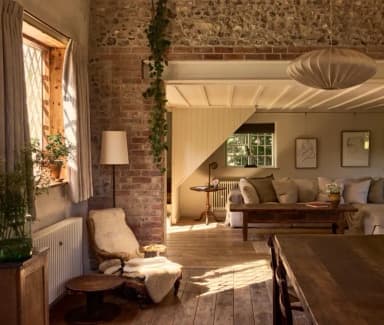



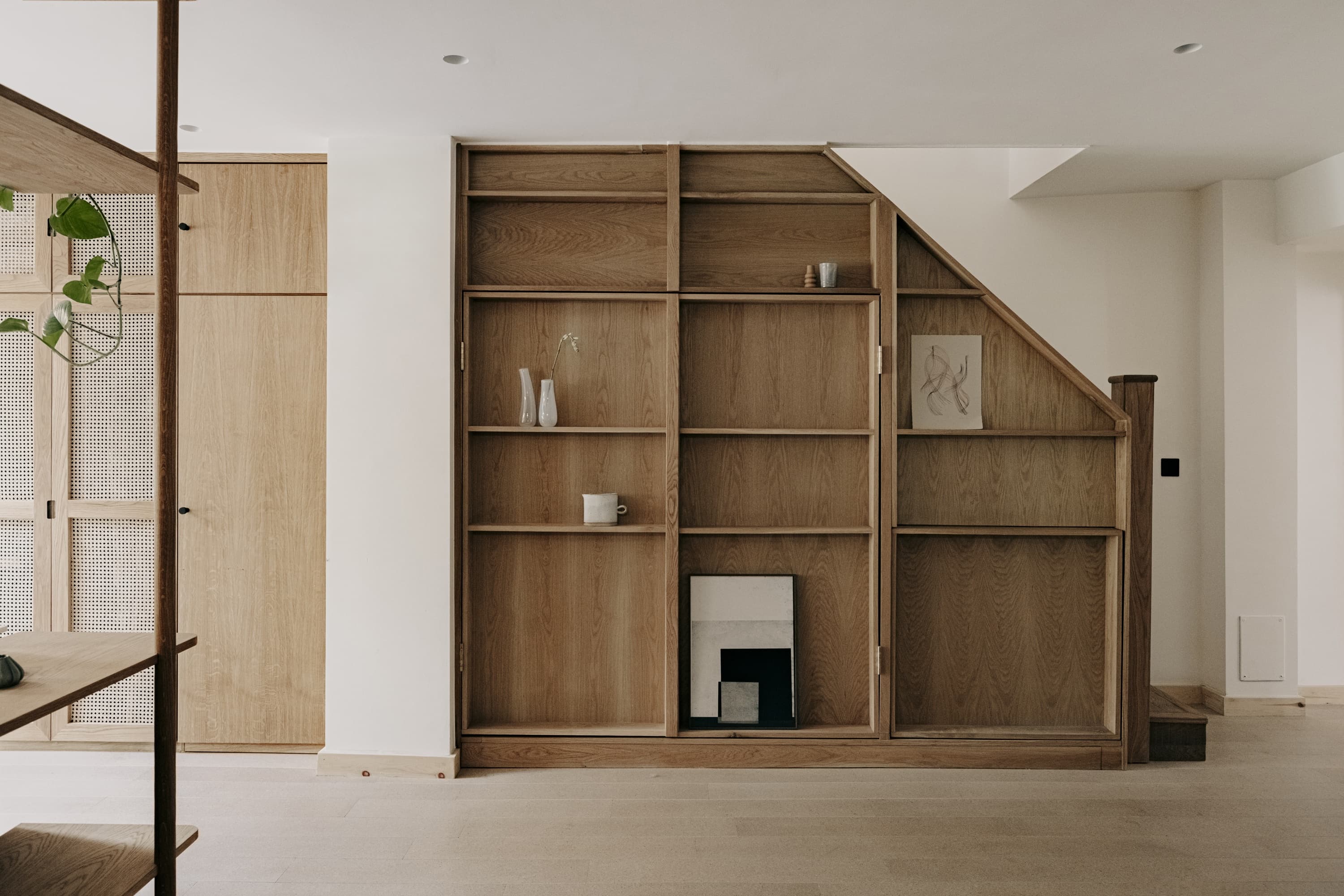
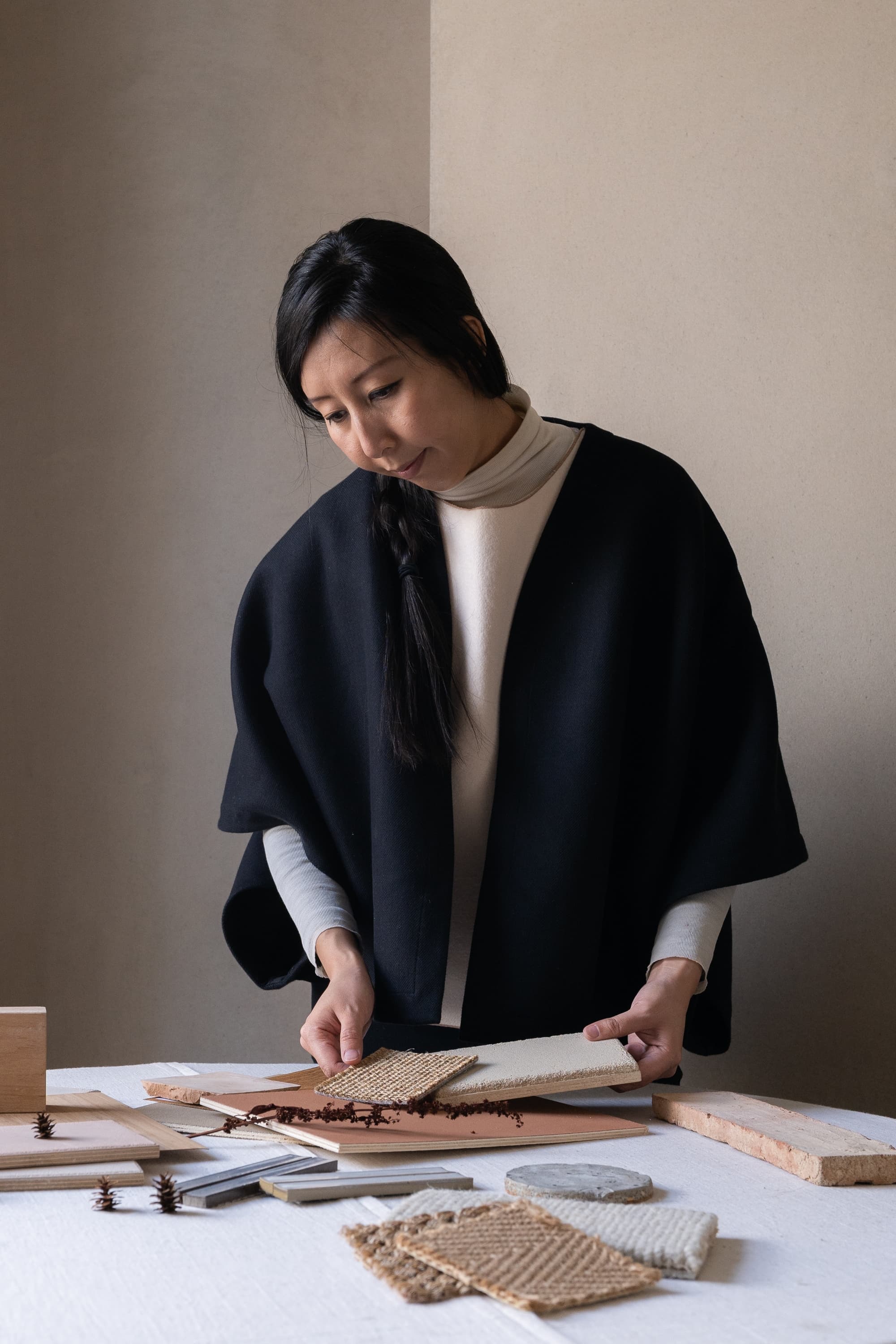
Winnie Tam from fourteen a.m. is a designer with a purpose: creating city sanctuaries for city dwellers. Her multidisciplinary design studio creates spaces, objects, events and classes that question what it means to create peace in a world full of noise.
In this exclusive interview with Re:claimed, Winnie Tam explores her journey towards a new kind of architecture and interior design, where Eastern philosophy and a pragmatic warmth create calming spaces for the soul.
Hi Winnie! Could you please introduce yourself and your journey towards fourteen a.m.?
My journey began with a profound realisation about the pace of modern urban life. After years working in traditional architectural practice, I witnessed how the relentless rhythm of city living was affecting not just my clients, but myself as well. We were all searching for moments of peace that felt as elusive as the time "14 a.m." itself.
The turning point came when I recognised that architecture and design had the power to create genuine sanctuaries — spaces that could restore rather than simply shelter. fourteen a.m. emerged from this understanding that our built environment should nurture our wellbeing, particularly for those of us navigating the complexities of city life.
fourteen a.m. is born from the belief that everyone deserves access to restorative spaces, and that the process of creating these spaces should itself be a mindful, stress-free journey.

fourteen a.m. tackles elements beyond the typical interior design studio, including “spaces, products and architectural solutions”. What prompted this holistic portfolio?
True sanctuary cannot be achieved through fragments. When we approach design piecemeal — considering architecture separately from interiors, or spaces independently from the objects within them — we miss the opportunity to create genuine harmony.
Our holistic approach stems from understanding that restoration happens through every touchpoint in a space. The architectural envelope must breathe with the interior landscape; the furniture must speak the same language as the walls; even the smallest objects carry the responsibility of contributing to the overall sense of calm.
By integrating spaces, products, and architectural solutions, we ensure that every element works in concert to support our clients' wellbeing. It's about creating ecosystems of peace rather than simply designing rooms.

fourteen a.m. is self-described as a design studio specialised in “restorative spaces for city dwellers”. Could you explore that further’?
Restorative spaces are environments that actively contribute to our mental, emotional, and physical wellbeing. Unlike merely functional spaces, they're designed to replenish what city living depletes — our sense of calm, connection to nature, and ability to simply be present.
For city dwellers, who navigate constant stimulation and pressure, restorative spaces serve as counterbalances. They might feature natural materials that reconnect us to the earth, layouts that encourage pause and reflection, or lighting that follows natural rhythms. These spaces don't just shelter us; they heal us. They're sanctuaries that help us process the day's complexities and emerge renewed. A bit like architectural medicine for the urban soul.
How does the city — with all its noise, chaos and visual overwhelm — influence your life and inspirations?
The city is paradoxically both my greatest challenge and my deepest inspiration. Its intensity shows me exactly what our souls are craving — the opposite of overwhelm is simplicity, the antidote to chaos is order, and the response to noise is thoughtful quiet.
But perhaps more importantly, the city becomes a space and journey for us to find ourselves, to understand ourselves. We often lose who we are amongst the urban chaos — the endless stimulation, the constant demands, the pressure to keep pace with a rhythm that isn't our own. Living within this complexity has taught me that our homes and the spaces we inhabit must serve as anchors, places where we can reconnect with our authentic selves.
The city's relentless pace has shown me the profound impact of creating spaces that encourage you to slow down, breathe deeply, and remember who you are beneath all the external noise. It's taught me that luxury isn't about excess — it's about having space to think, to rest, to simply exist without demand, and most crucially, to rediscover yourself.

The philosophy of the studio is described as rooted in “Eastern philosophies”. How have they built your own unique lens for the studio?
Our approach draws particularly from Japanese concepts of Wabi sabi — finding beauty in imperfection and impermanence — but it's actually more deeply rooted in Laozi's Dao Te Jing. What fascinates me about the Dao Te Jing is how it often describes the opposite of what is commonly known to be true, which constantly reminds me to pause and think rather than simply follow conventional wisdom. It's become another pathway for self-discovery.
This questioning nature also encourages me to think deeper about design — not just accepting common approaches as answers, but understanding why each bit of space wants to be the way that it is, how it relates to our daily lives, and how it affects our wellbeing.
Instead of following design trends or standard solutions, I find myself asking: what does this corner of the room actually need to support the person who will inhabit it? How does this material choice influence someone's mood throughout the day?
The Taoist philosophy of wu wei, or effortless action, profoundly influences how we approach both design and our client relationships. This Eastern wisdom provides a counterpoint to Western tendencies towards accumulation and urgency, offering instead a path towards spaces that feel both intentional and effortless.
The Dao teaches us that the most powerful action is often non-action, which translates beautifully into design — knowing when to stop, when to leave space unfilled, when to let natural materials speak for themselves.
It's this constant invitation to question and rediscover that makes the philosophy so relevant to our work of creating spaces for genuine living and self-reflection.
Nature is a core pillar in your design philosophy. How does this connection manifest in the spaces and objects you curate?
Our relationship with nature is more complex than simple admiration — it's about navigating the tension between our desire to be close to nature and the practical realities of urban living.
Building materials present this challenge perfectly. We want natural materials, but many natural elements don't suit our urban lifestyles or meet practical requirements like fire regulations.
Take timber, for instance. People love the warmth and authenticity of wood, but few would choose a timber kitchen worktop if it was damaged easily with daily use. It requires both understanding the art of nature and accepting practical limitations.
We live in a way where we want to manipulate nature to serve us, yet simultaneously yearn to be closer to it.
This creates a fascinating tension that we try to navigate thoughtfully in our designs. The spaces we create and objects we curate reflect this almost love-hate relationship with nature, but we consciously encourage the loving, connecting side while ensuring everything remains practical for sustainable daily living.
It's about finding that delicate balance where natural beauty enhances rather than complicates our lives — bringing us closer to nature's essence while respecting both its limitations and our own needs.

Simplicity and gratitude are interconnected in how you describe fourteen a.m.. How do they support one another, in your view?
Simplicity creates the space for gratitude to flourish. When we strip away the excess — the visual noise, the unnecessary objects, the complicated systems — we're left with what truly matters. This clarity allows us to see and appreciate the beauty that was always there but perhaps obscured by complexity.
Gratitude, in turn, makes simplicity possible. When we're truly grateful for what we have, we no longer feel the need to accumulate more. We can find richness in a single perfect object rather than requiring many mediocre ones.
This creates a beautiful cycle: simplicity opens our eyes to appreciate what remains, and gratitude gives us the confidence to let go of what doesn't serve. Together, they create spaces that feel both abundant and peaceful.

The way you explore these topics in your website’s writing is evocative and sensory. How does this layered, haptic approach influence the way you work in the day-to-day?
Language and space-making are intimately connected — both are about creating experiences that resonate beyond the purely functional. Our approach to writing reflects our approach to design: layered, textural, inviting multiple senses and interpretations.
Language goes beyond images because it triggers our imagination in ways that visual representation alone cannot. When we describe the feeling of morning light filtering through natural linen, or the sound of footsteps on aged timber, we're helping people imagine not just how a space looks, but how it feels to inhabit.
In our daily practice, this means we consider not just how spaces appear, but how they feel to live within. We think about the sound your footsteps make on different materials, the way light moves across surfaces throughout the day, the emotional response triggered by a particular proportion or vista. When presenting to clients, we use language that helps them imagine the full sensory experience of their future space — the textures they'll touch, the sounds they'll hear, the way the space will support their daily rituals and moments of pause.

How fourteen a.m. can teach us to design with purpose
As designers, there’s a temptation towards focusing on the final outcome. However, fourteen a.m. puts a powerful focus on making the process also guided by principles of mental wellbeing and personal expression.
What is the Mindfulness Design Process? How does this affect your designs and your clients’ experience?
Our Mindfulness Design Method treats the design process like cultivating a garden — organic, patient, and responsive to natural rhythms. This organic approach actually goes against the typical ego of an architect. Rather than imposing our vision, we design collaboratively with our clients to nurture something that's born in harmony and truly suitable to their lives.
This means involving our clients deeply in the process. We need to understand them not just as people who will use the space, but as individuals with their own stories, dreams, and ways of being in the world. When clients create the space with us, we take them on a journey of self-discovery. They learn not just about design, but about themselves — their true preferences, their daily rhythms, what genuinely brings them peace.
The process includes built-in moments for reflection and feedback, what we call "feedback loops," which allow clients to digest and respond at their own pace. There's no rushing, no overwhelming options, no leaving clients in the dark about next steps. This approach profoundly affects our designs — spaces created through this collaborative, mindful process carry that same quality of thoughtfulness and authenticity. More importantly, the resulting space becomes far more meaningful to our clients than something simply "designed for them" — it becomes something they've discovered about themselves, made tangible.
The home is a crucial element to mental well-being. How can designers and inhabitants nurture a space that fosters happiness?
A happiness-inducing home begins with understanding that we shape our spaces, and then they shape us. The layout should support natural movement and create opportunities for both gathering and solitude. This might mean ensuring the kitchen flows into living areas for connection, while also providing quiet corners for retreat and reflection.
Materials matter enormously — choose surfaces that age beautifully rather than fighting time, incorporate textures that invite touch, and select objects that carry personal meaning rather than simply filling space. Natural light should be celebrated and supplemented thoughtfully; harsh overhead lighting can undermine even the most beautifully designed room.
Perhaps most importantly, embrace imperfection and evolution. A home that demands constant maintenance or perfection creates stress rather than relief. Design spaces that can adapt to life's changes, that welcome the patina of daily use, and that feel nurturing rather than demanding. The goal is creating environments that support you in being your best self, not spaces that require you to be perfect for them.

Wood is a prominent architectural feature in your designs. What is your relationship with it? How do you choose it? What do you look at when considering options?
Wood is perhaps our most honest material — it carries the story of its growth, responds to its environment, and ages with grace rather than deterioration. My relationship with wood is deeply respectful; each piece represents decades or centuries of growth that we're privileging to incorporate into human habitation.
When selecting wood, we consider its provenance, its natural characteristics, and how it will evolve over time. We look for pieces that have natural imperfections — knots, grain variations, subtle colour changes — because these give wood its soul and ensure that each installation is unique. The finish is crucial; we typically prefer oils and waxes that penetrate and protect while allowing the wood to breathe and develop patina.
We also consider the wood's role in the overall composition. Will it provide warmth against cooler materials like stone or concrete? Does its grain direction support the room's visual flow? How will it look in different lighting conditions throughout the day? Wood selection is never just about appearance — it's about choosing a material that will become more beautiful with time and use.
Warmth is crucial to your designs. How do you imbue “soul” into objects and spaces so restrained?
Warmth in minimal design comes not from quantity but from intention and quality. A single piece of aged timber can provide more warmth than a room full of generic furniture. We achieve this through careful material selection — natural stones, honest metals that develop patina, textiles with subtle texture and organic origin.
I consider fourteen a.m.'s design as minimalist, but in a natural and humble way rather than the sterile perfectionism that minimal design is sometimes associated with. Taking inspiration from nature, our minimalism is more like lichen on timber bark under sunlight than an object in a pristine museum. It's minimal, yes, but inherently warm because it carries the imperfections, textures, and life that nature provides.
Soul enters through imperfection and authenticity. A handmade ceramic vessel carries the maker's energy in ways that mass-produced items cannot. Natural materials that show their history — reclaimed wood with old nail holes, stone with natural veining, metals that oxidise beautifully — bring life to minimal spaces without compromising their essential simplicity.
Light is perhaps our most powerful tool for warmth. We design spaces to celebrate natural light's daily journey and supplement it with lighting that mimics natural warmth rather than harsh artificial brightness. The interplay between light and shadow, the way morning sun catches a textured wall or evening light pools in a carefully positioned reading nook — these moments create emotional warmth that transcends physical comfort while maintaining the peaceful restraint that defines our approach.

For those designers and homeowners seeking to pair down their designs and lives to a more simple place; how would you suggest they go about this process?
Begin with honest questions: Do we really need so many things? Keep the items you use often — but be truthful about what "often" means. It's easy to hold onto things we think we should use or want to use, but true simplicity comes from acknowledging what we actually reach for in our daily lives.
Develop mindful routines around your belongings. Instead of rushing and leaving things wherever they land, practice the ritual of setting things up and putting them away. This isn't about rigid organisation — it's about creating a gentle rhythm that honours both the objects and the space they inhabit.
Ensure each item has a designated place and that you remember where that is. If you can't recall where something belongs, it's almost as if you don't have it at all. This isn't about perfect memory, but about living with intention and awareness of what surrounds you.
I must be honest — it's really hard to be truly minimalist. The goal isn't perfection but presence and gratitude. The physical process of simplification should be gradual and gentle. Take it slow and be kind to yourself. When we approach simplification as a practice of mindfulness rather than a destination to reach, it becomes less about achieving some ideal and more about cultivating awareness of what genuinely serves our wellbeing.
Remember that simple doesn't mean sparse or cold. The purpose is to create space for appreciation, for presence, for the things that truly matter to how you want to live each day.
A question for you
As we part ways with Winnie Tam, we want her words to linger with you. How can we hold space for the power in pausing, the radical act of caring, and the grace of making with intention? What might happen if we carried these principles — not just into our next design, but into the choices we make, moment to moment?
About us
We’re Re:claimed. Since 2006, we’ve been devoted to the quiet craft of renewal: reclaiming wood, restoring its character, and reimagining it for spaces that nourish. Our floors and millwork carry the marks of time — each piece a tactile story that grounds, warms, and lasts. Re:claimed is more than a name — it’s a way of thinking. Of living more slowly, treading more lightly, and shaping environments that support both people and the planet.
%2520(2).jpeg&w=2048&q=75)
.png&w=3840&q=75)