


Our Reclaimed Wood
The short answer
- The book: In Praise of Slowness (2004; In Praise of Slow in the UK) by the journalist Carl Honoré, about our compulsion to hurry and the people pushing back.
- The idea: slow does not mean doing everything slowly. It means doing each thing at the correct speed.
- The movement: Slow Food, slow cities and slow design all grew from the same question: what do we lose when everything is fast?
- At home: fewer, better things; materials that age well; rooms made to be lived in rather than looked at.
Who is Carl Honoré?
Carl Honoré is a writer and broadcaster who lives in London. In Praise of Slowness examines, in his words, "our compulsion to hurry" and chronicles "a global trend toward putting on the brakes". In 2005 he took the argument to TED, where his talk, In praise of slowness, makes the case that our emphasis on speed erodes health, productivity and quality of life.
What does slow really mean?
The word is easy to misread. Honoré is not against speed; he is against speed as a habit.
Some things are better fast: an email, a sprint, an ambulance. Others are ruined by it: a meal, a conversation, a child's bedtime, a piece of furniture. Slow, in Honoré's sense, is the skill of telling them apart, and of being present for the slow ones. "Slow means being present, living each moment fully," he writes.
From the kitchen to the city
The Slow idea is bigger than one book. Slow Food, the Cittaslow network of slow towns and slow design each push back against speed in their own field. In Praise of Slowness follows that wider trend and shows what these movements share: a doubt about whether a life built for speed is a good one.

Our Reclaimed Wood

Our Reclaimed Wood
The slow home
A home is where the idea becomes practical. A few ways it shows:
- Fewer, better things. Buy once, and choose what will last and can be repaired.
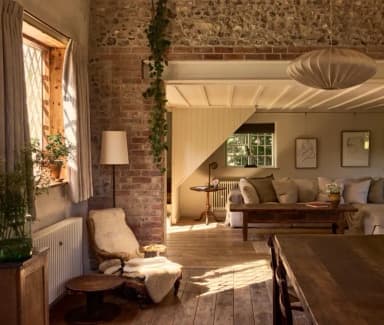
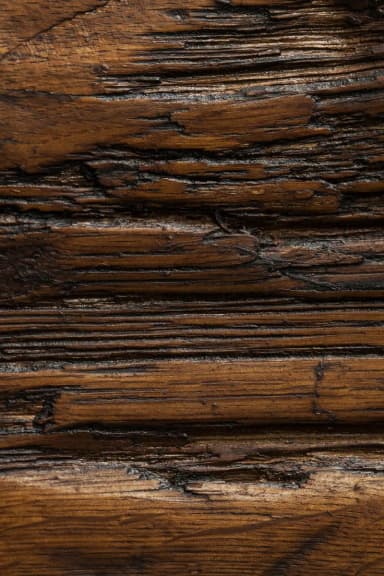
- Materials that age well. Solid wood, stone, lime and linen wear in rather than wear out. A reclaimed floor has already done a century of that.
- Made by hand, at its own pace. Much of our finishing is done by hand, and even our sample boxes are made to order. A floor is given two or three weeks to settle to its room before it is laid; it cannot be hurried.
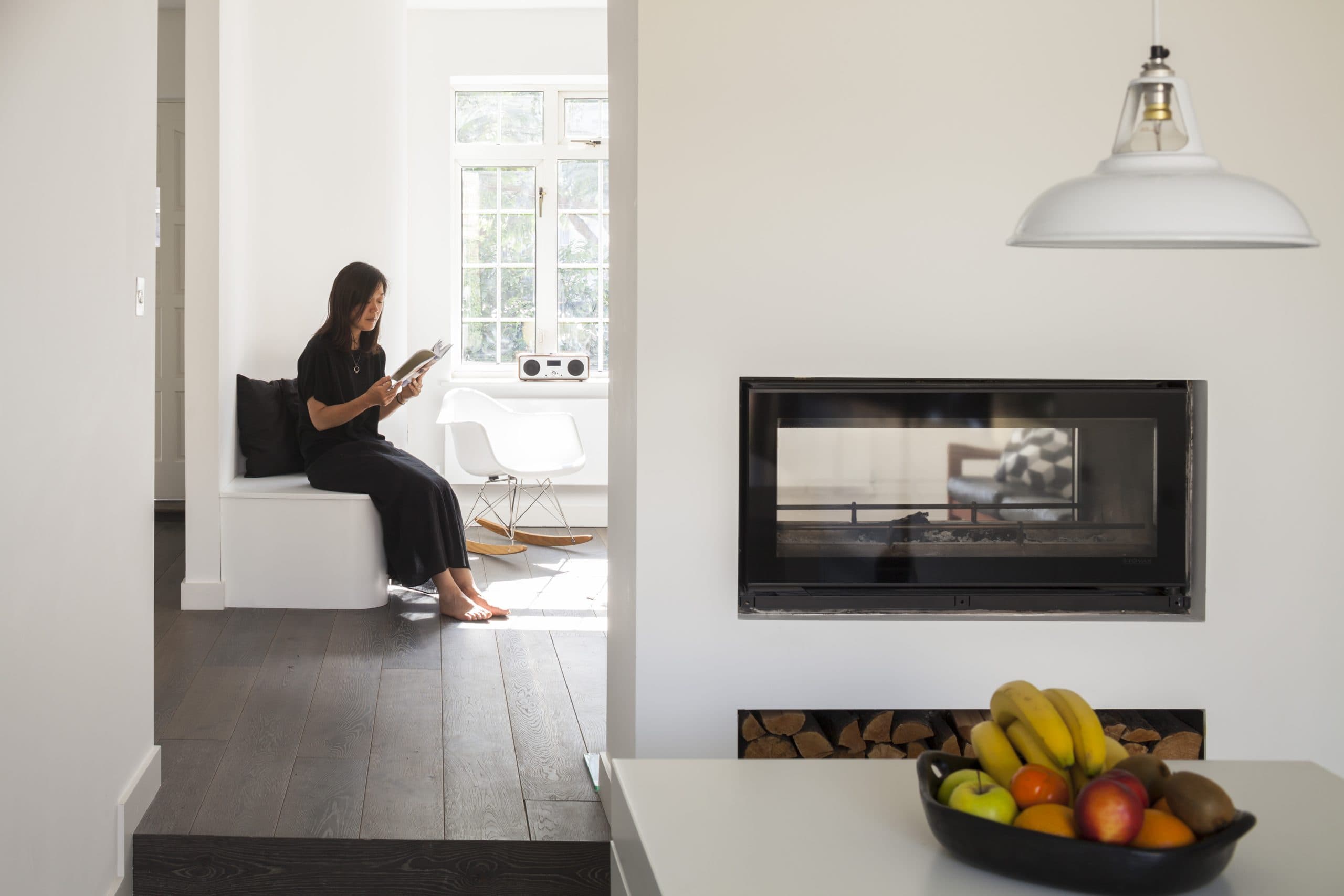
- Rooms that ask for attention. Natural light, texture underfoot, a corner made for one thing, such as reading. Our article on the mindful space goes further.

For the wider idea, read What Is Slow Living?, and for its design side, the six principles of slow design.

Patina samples mixed by hand

Curved stair risers made in our workshop

Château Calon Ségur

Château Calon Ségur
In Praise of Slowness FAQs
What is In Praise of Slowness about?
It examines our compulsion to hurry, in Carl Honoré's words, and follows the people and movements around the world choosing to put on the brakes.
What is the Slow movement?
A loose family of ideas and groups, from Slow Food to slow cities and slow design, that question doing everything fast and argue for doing each thing at the speed it deserves.
Does slow living mean doing everything slowly?
No. In Honoré's words, it means doing everything at the correct speed: quickly, slowly or whatever pace works best.
How do you create a slow home?
Choose fewer things that last, natural materials that age well, and rooms arranged around how you live rather than how they photograph.
Re:sources
- Carl Honoré, In Praise of Slowness, HarperSanFrancisco, 2004 (UK: In Praise of Slow, Orion).
- Carl Honoré, In praise of slowness, TEDGlobal, 2005.
- Re:claimed Journal, What Is Slow Living?


