


Our Reclaimed Floorboards
More of us now weigh the impact of what we bring into our homes, and natural materials sit near the top of that list. Designers, architects and homeowners want surfaces that age well, last for decades and never end up in landfill.
Reclaimed timber answers all three. It has already served one building, it carries the patina of everything it has been through, and it goes on to serve another. As floors, cladding, beams, stairs and furniture, it turns what would have been abandoned into something lasting.
The short answer
- What they are: floorboards milled from timber recovered from old barns, factories, warehouses and other buildings.
- Common woods: mostly oak and pine, sometimes chestnut.
- What to check: that the boards are kiln-dried, free of metal, rot and live insects, and that one batch covers your whole floor.
- Solid or engineered: reclaimed boards are solid wood; for underfloor heating, choose an engineered board with a reclaimed or antique oak top layer.
- Seeing them in London: visit our Mayfair showroom by appointment, or order a sample box.
What are reclaimed floorboards?
Using reclaimed timber to finish homes and commercial buildings isn't new, but it has grown with the move towards greener building and renovation. Reclaimed flooring is wood with a past life put to a new use: boards and beams from an old barn, factory or warehouse, good enough to be milled into floorboards again.

From our workshop

Finished by hand
Why choose reclaimed floorboards?
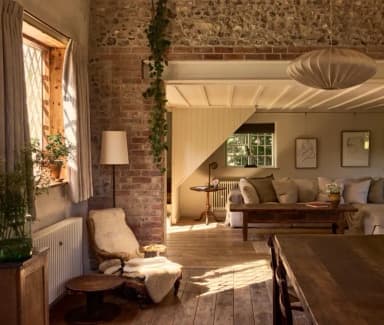
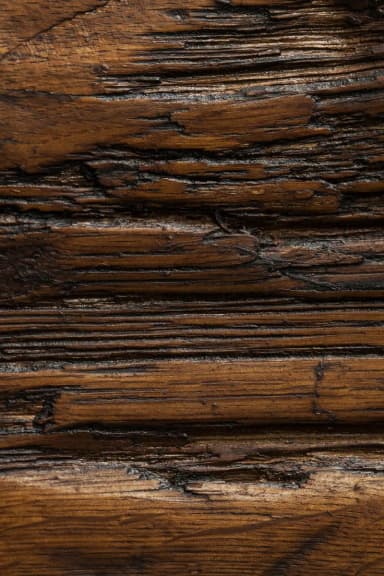
Character. The history of the timber is what makes each board different: tight grain, knots and swirls, a weathered colour and a patina that new wood takes decades to earn. Laid in a room, reclaimed boards add an authenticity that sits beautifully beside modern furniture.
Durability. Much of the timber used in buildings of the 18th to the early 20th century came from slow-grown trees, and slow growth often means a tight, close grain. Long years in a building have dried the wood thoroughly, and once it is properly prepared it is stable and hard-wearing in busy rooms.
A lighter footprint. No new tree is felled for your floor. Timber that would otherwise be burnt or sent to landfill is kept in use, and the carbon it holds stays locked in the wood for another lifetime.

How reclaimed floorboards are prepared
Once the timber is saved from a building, the work begins. Nails, bolts and old fixings are removed, the boards are cleaned, and the wood is kiln-dried, both to kill any insects and to bring it down to the right moisture content for an interior. It is then re-milled with care so each board has a good face, a true back and clean edges, and finished, much of it by hand.
That is where a specialist earns their place: a lot of skill and judgement goes into giving old wood a new life without losing what makes it special.
What to check before you buy
When you buy from a specialist, you pay not to worry about hidden defects. Whoever you buy from, ask about these:
- Rot: any rot should be cut out, and rotten boards rejected.
- Insects: the timber should be kiln-dried to kill insects, and checked for any sign of activity.
- Metal: old timber hides nails and screws whose heads have broken off; they must be found and removed before milling.
- Quantity: make sure there is enough wood in one batch for your whole floor, plus an allowance for waste. A second batch will be different wood.
- Age and origin: where the wood comes from and how old it is belong in the specification.
- Installation: allow two or three weeks for the boards to acclimatise to the room. Glue and nails are the standard for reclaimed wood; we do not recommend a floating floor.

Our Antique Oak Versailles Panels

Our Antique Oak Versailles Panels
Where to buy reclaimed floorboards in the UK
Reclaimed floorboards are sold in three main ways, and each suits a different project.
- Architectural salvage yards sell boards as they were lifted, often unsorted and unprepared. They suit small repairs and buyers ready to clean, de-nail and finish the wood themselves.
- Online salvage marketplaces and directories list stock from many dealers across the country. Ask each seller how the wood has been dried and prepared.
- Specialist makers source, grade, kiln-dry, re-mill and finish reclaimed wood to a specification, and can supply enough of one batch for a whole house, often with fitting. This is what we do.
Seeing reclaimed floorboards in London
The best way to choose a reclaimed floor is to see it and touch it. Our London showroom is at 23–24 Berkeley Square in Mayfair, open by appointment, and we also have a showroom in Cheshire. If you can't visit, a sample box brings a selection of our floors to you; each one is made to order.
For a whole project, our concierge service takes the floor from specification to installation and aftercare.

Our Antique Oak Versailles Panels

Our Reclaimed Oak Chevron
Reclaimed Floorboards FAQs
Where can I buy reclaimed floorboards in London?
From architectural salvage yards, online salvage marketplaces, or a specialist maker who prepares the boards to a specification. You can see our reclaimed floors at our showroom at 23–24 Berkeley Square, Mayfair, by appointment, or order a sample box.
Are reclaimed floorboards more expensive than new?
Usually, yes. Recovering, de-nailing, drying, re-milling and finishing old timber takes time and skill. The price depends on the species, the age of the wood, how much of it is available and how it has been prepared.
Can reclaimed floorboards go over underfloor heating?
Choose an engineered board with a reclaimed or antique oak top layer: it moves far less as the floor warms and cools. Keep the floor at or below 27°C.
How long do reclaimed floorboards need to acclimatise?
Allow two or three weeks for the boards to settle to the room and its humidity before they are laid.
Do reclaimed floorboards have woodworm?
Properly prepared boards shouldn't. Kiln-drying kills insects, and a good supplier checks every batch for signs of activity. Always ask how the wood was dried.

Re:sources
- Re:claimed Journal, What Is Reclaimed Wood Flooring?: sourcing, preparation and what to check.
- Re:claimed Journal, Engineered vs Solid Parquet Flooring: underfloor heating and the 27°C limit.


