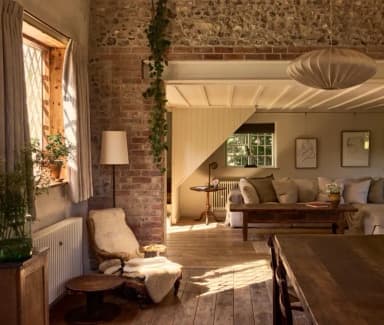




Travel is a gateway to the world’s wonders, a path to discovering new vistas.
Yet, in the age of regenerative exploration, travel transcends traditional boundaries. It becomes a transformative journey, unveiling the beauty of diverse landscapes and cultures while enriching and revitalising them.

What is Regenerative Travel: A Deeper Dive
Regenerative travel elevates the concept of sustainable tourism.
It goes beyond minimising our environmental footprint to actively rejuvenate the places and communities we visit.
This approach transforms travellers into agents of positive change, celebrating local traditions, engaging in conservation efforts, and making mindful choices that contribute to the well-being of our global village.

Grootbos Private Nature Reserve, South Africa,

Finca Luna Nueva Lodge, Costa Rica

Chumbe Island Coral Park, Zanzibar

Bardessono Hotel & Spa, United States
Illustrative Examples of Regenerative Design
- Grootbos Private Nature Reserve, South Africa, embraces regenerative tourism through education, community empowerment, and conservation. It offers nature-based experiences while tackling challenges like socioeconomic inequalities and environmental degradation.
- Chumbe Island Coral Park, Zanzibar: This sanctuary for coral reef ecosystems generates funds through sustainable tourism activities to recover reefs and create employment opportunities, thereby steering communities away from illegal fishing.
- Bardessono Hotel & Spa, United States: Known for its luxury and sustainability, this establishment faces the challenge of balancing opulence with environmental stewardship and has achieved LEED Platinum certification as a result.
- Finca Luna Nueva Lodge, Costa Rica: Champions a “farm-to-table” experience while embracing sustainable and regenerative practices to preserve biodiversity, improve soil health, and support the local community.

Finca Luna Nueva Lodge, Costa Rica
A New Dawn in Design and Architecture: From Travel
The ethos of regeneration is spreading its roots into the realms of design and architecture, inspiring the creation of spaces that not only exist in harmony with their surroundings but also contribute to their vitality.
Innovative designers are reimagining waste as resources, crafting materials that breathe new life into our environments and economies. This movement towards a circular economy champions using renewable resources and repurposing waste, paving the way for a future where every design decision fosters sustainability and resilience.

As Laurence Carr, a renowned regenerative designer, notes, embracing circular practices allows us to turn our environmental impact from negative to positive,” Given that the cost of raw materials makes up a big chunk of production expenses, using less desirable leftover materials from unavoidable processes can actually give manufacturers a significant upper hand,” said Carr. “In this way, circular principles are not just good for the environment and human health; they also benefit the economy at large. It’s a win-win-win!”

Laurence Carr

Sustainable
Embracing The Circular Economy
To truly revive our surroundings, we must rethink production and embrace the circular economy – prioritising renewable, non-toxic materials while reusing and recycling existing waste.
Impact Acoustic leads this charge, which crafts lightweight, structurally sound panels from cotton linters—a by-product of the cotton industry typically discarded as waste.
Utilising solar energy and closed-loop water recycling, their production process is nearly zero-waste.
“Our cotton acoustic tiles represent the epitome of circularity,” explains CEO Sven Erni. “The material can be reused repeatedly without extra resources whilst maintaining quality.”
Erni emphasises, “We firmly believe that embracing the circular economy is crucial for addressing challenges such as resource depletion, waste generation, and environmental degradation while fostering a more sustainable, prosperous, and resilient society.”
The Collective Path to Regeneration
As we embark on this journey together, we all hold the power to make a difference.
Through small, intentional acts at home, advocating for sustainable practices, and embracing circular principles in every aspect of our lives, we can collectively forge a path to a regenerative future.
It is a future where design, travel, and daily living are intertwined in a symbiotic relationship with the earth. It creates a world where every step leaves a positive imprint, fostering hope and renewal for future generations.
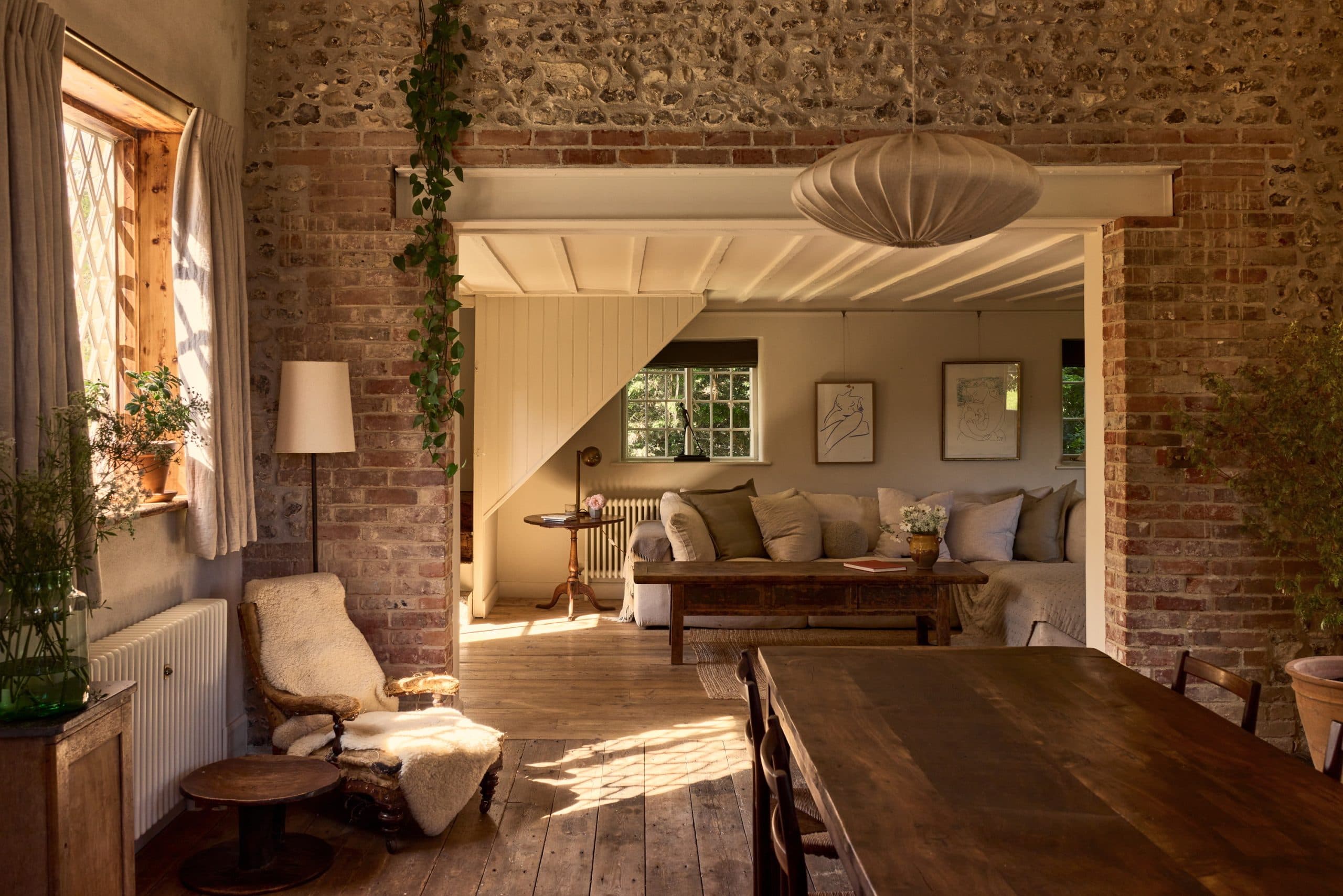
Our Reclaimed Wood

Our Reclaimed Pine Floorboards

Our Reclaimed Wood

Our Reclaimed Wood


