
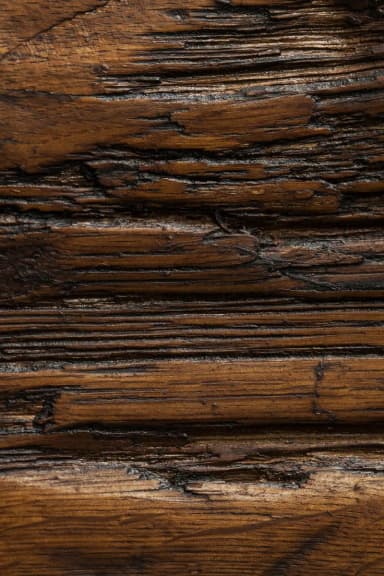




Our Reclaimed Re-Sawn French Beam Oak
Steam mops are sold as the quick, chemical-free way to clean a hard floor. On tiles and stone they can be. On a wood floor, they are the one cleaning tool we always advise against.
The short answer
- No, for our floors. Do not use a steam mop on oiled, waxed or unfinished wood, solid or engineered.
- The reason: a steam mop pushes hot water vapour into the wood, the joints and any worn patches in the finish. Wood absorbs it, swells, and can stain, lift or crack as it dries.
- Steam mop makers agree: BLACK+DECKER says steam mops "should not be used on unsealed hardwood, laminate, or linoleum floors".
- Lacquered or prefinished floors: follow the maker's care guide, and check your warranty. Even a sealed surface has joints and edges that steam can get into.
- Clean it instead with: a vacuum with a soft floor head, and a damp (never wet) mop with a pH-neutral cleaner made for wood.
Why steam damages wood floors
Wood is an absorbent, living material. It takes in moisture from the air and gives it back, swelling a little as it does. A floor copes with the slow changes of the seasons; it does not cope with hot water forced into it.
A steam mop does exactly that. The vapour finds its way into the places a damp mop never reaches:
- The joints between boards. Steam gets down into the gaps and soaks into the edges of the boards, below the finish.
- Worn patches. Where the finish has thinned, in a hallway or in front of the sink, the bare wood drinks the moisture in and darkens, leaving blotches.
- Oiled and waxed finishes. Oil and wax sit in the wood rather than on top of it. Heat and moisture strip them and leave the wood dry and unprotected.
- A new floor. A freshly finished floor can have missed spots, especially at the seams.
When moisture gets deep into the boards, they swell and press against each other. As they dry, the result can be raised edges, gaps, dark stains or a finish that has turned cloudy or lifted.

Oiling our hand-made French oak
Does it matter if the floor is solid or engineered?
Both are real wood on top, so both are at risk. An engineered board has a top layer of hardwood on a stable core, which makes it move less with the seasons, but its surface and joints take in steam just like solid wood. If your engineered floor came with a care guide, follow it, and check the warranty before using steam: moisture and heat damage is a common exclusion.
What about lacquered or prefinished floors?
A lacquer sits on the surface and protects the wood better than oil does. But steam still reaches the joints, the edges of each board and any scratch in the lacquer. Steam mop makers such as BLACK+DECKER rule out unsealed wood rather than every wood floor, but that is no promise for yours. The rule is the same: read the care guide for your floor, and if in doubt, leave the steam mop for the tiles.
How to clean a wood floor safely
- Vacuum or dust-mop every day or two, with a soft floor head and never a beater bar. Grit is what wears a finish away.
- Mop damp, not wet. Use a microfibre mop wrung out until it is barely damp, with a pH-neutral cleaner made for wood floors.
- Wipe spills straight away, with a dry or slightly damp cloth.
- Avoid vinegar, baking soda, bleach and general household cleaners: they dull or strip the finish.
- Feed the finish. An oiled floor needs fresh oil now and then (how often to oil); a waxed floor needs wax.
For floors with patterns, the full routine by finish is in How to Clean Parquet Floors.

Steam Mop and Wood Floor FAQs
Can you use a steam mop on wood floors?
We advise against it on any wood floor, and never on oiled, waxed or unfinished wood. The steam forces heat and moisture into the wood and the joints.
Can you use a steam mop on engineered wood floors?
Engineered boards have a real hardwood surface, so the same risk applies. Follow the care guide that came with the floor, and check the warranty before using steam.
Can I use a steam mop on prefinished or lacquered hardwood?
Only if the floor's maker says so. A lacquer protects the surface, but steam can still reach the joints and edges of each board.
Do steam mops ruin wood floors?
They can. The moisture can leave dark stains, raised edges and gaps between boards, and it can cloud or strip the finish.
What is the best way to clean a wood floor?
Vacuum regularly with a soft floor head, and mop with a barely damp microfibre mop and a pH-neutral cleaner made for wood.
What should I do if a steam mop has marked my floor?
Let the floor dry out naturally, with the room well aired, before judging the damage. Then get in touch and we will advise on the repair.
Re:sources
- BLACK+DECKER, What floors should not be steam mopped?
- Re:claimed Journal, How to Clean Parquet Floors.
- Re:claimed Journal, How Often to Oil Wood Flooring.
- Re:claimed, How to Clean and Care for a Waxed Wood Floor.


