




The prevailing approach to the design of cities has been built in ways that it excludes the human from the natural world. Biophilic design is an innovative way of designing health and productivity habitats; places where we live, work and learn.
First popularised by biologist and author Edward Wilson — the principle of biophilic proved instrumental in enhancing human physical, emotional and intellectual fitness during the long course of human evolution.
 Edward Osborne Wilson
Research scientists and design practitioners have been working for decades to define aspects of nature and our need for it in a deep and fundamental fashion, in ways that it impacts human health, productivity, well-being and our satisfaction with the built environment.

Simply put, biophilic is the humankind’s innate biological connection with nature.
It takes us on a journey and explains why a garden view can enhance our creativity; strolling through a park has restorative, healing effects; why patients heal faster when in contact with nature and why some workers are more productive than others.
As the world population continues to urbanise, biophilic design qualities are even more important.
How do we then design environments that have biophilic attributes and effectively enhance health and well-being?
It involves the application of diverse design strategies, and this includes three ways of experiencing nature in the built environment:
the direct experience of nature (light, air, water, plants, natural landscapes), the indirect experience of nature (images of nature, natural materials, natural colours), and the experience of space and place (transitional spaces).
The successful application of biophilic design requires consistently adhering to a number of basic objectives or principles. They include:
- Biophilic design emphasizes human adaptations to the natural world that over evolutionary time have proven instrumental in advancing people’s health, fitness, and wellbeing. Exposures to nature irrelevant to human productivity and survival exert little impact on human well-being and are not effective instances of biophilic design.


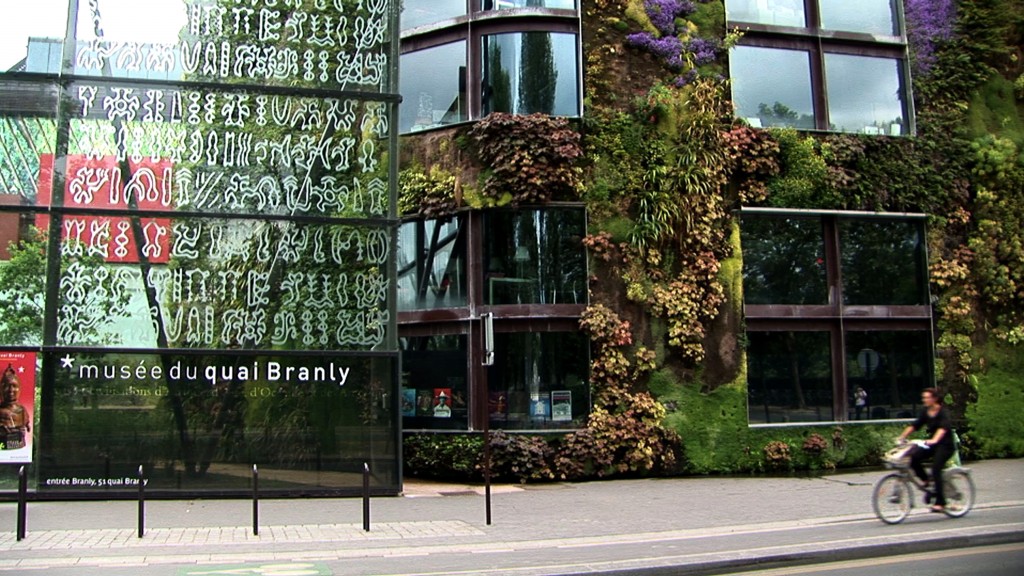 Oslo Museum. Images millennialmagazine.com
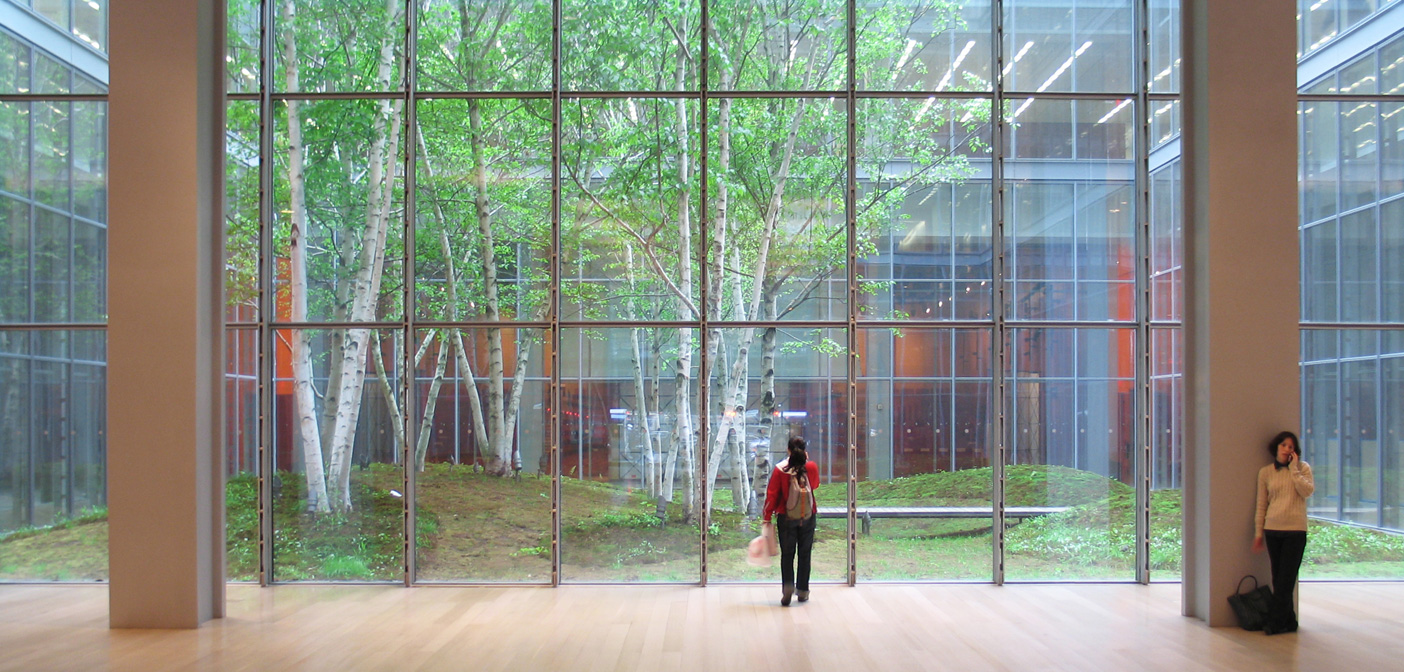 Terrapin Bright Green

It is fundamental for architects and designers to understand the projects’ design intention and understand the health and performance priorities of the intended users.
To identify and take into account the design strategies that restores and enhances the users’ well-being and interaction with the building.

